
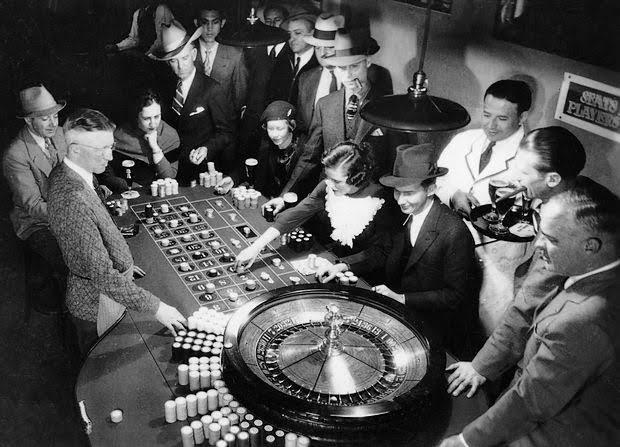
Modern casinos did not emerge overnight. Their development reflects centuries of changing attitudes toward gambling, the growth of commercial entertainment, new gaming technologies, and the creation of legal systems for regulating betting.
Early games of chance were often played in homes, taverns, or informal gathering places. Over time, some societies developed dedicated gaming venues, while governments introduced restrictions, licences, or taxes. Later, major destinations combined gambling with hotels, restaurants, live performances, and other attractions.
The history is not a simple story of steady expansion. Casino industries have grown in some periods and contracted in others, shaped by economic conditions, political decisions, social concerns, and technological change.
Early European Gaming Houses
During the early modern period, organised gambling venues developed in parts of Europe. These establishments differed from contemporary casinos, but they helped establish the idea that gaming could take place in a dedicated social setting.
One famous example is the Ridotto in Venice, which opened in 1638. It was created under public authority to manage gambling during the Venetian Carnival. The venue is often discussed in histories of casino development because it represented an organised and regulated setting for gaming.
Its existence also illustrates a recurring tension in gambling policy: authorities may seek to control an activity by placing it within an official framework rather than simply attempting to prohibit it.
The Growth of European Casino Culture
Over the following centuries, gambling venues developed in various European cities and resort destinations. Some became associated with fashionable social life, travel, and entertainment.
The casino at Monte Carlo, linked to the development of Monaco’s resort economy in the nineteenth century, became especially influential in popular perceptions of luxury gambling. Its reputation helped associate casino gaming with hotels, architecture, tourism, and formal social occasions.
These venues contributed to the broader idea of a casino as a destination rather than merely a place to play a game. Their development also depended on local laws and economic strategies, which varied from one location to another.
The Rise of Standardised Casino Games
The development and spread of recognisable games helped shape casino operations. Roulette, blackjack, baccarat, and other games evolved through different traditions and became associated with organised gambling venues.
Standardised rules made games easier to explain, operate, and regulate. They also helped travellers recognise familiar activities in different destinations.
The history of each game is complex, and popular accounts sometimes assign a single inventor or origin without sufficient evidence. In many cases, games developed gradually through adaptation rather than appearing in one definitive moment.
What matters for the modern industry is that repeatable rules allowed operators to manage gaming consistently across tables and venues.
The Expansion of Gambling in the United States
Gambling developed in many forms across the United States, including lotteries, riverboat gaming, card games, and betting in frontier communities. Legal treatment varied between states and changed over time.
Nevada’s legalisation of wide-ranging casino gambling in 1931 became a major milestone in the development of Las Vegas. The decision helped create a legal basis for the city’s casino industry during a period of economic difficulty.
Las Vegas grew through a combination of gambling, hospitality, entertainment, investment, transport access, and marketing. It eventually became an internationally recognised destination, although its development was also shaped by labour, infrastructure, land use, and changing regulation.
The Development of Large Casino Resorts
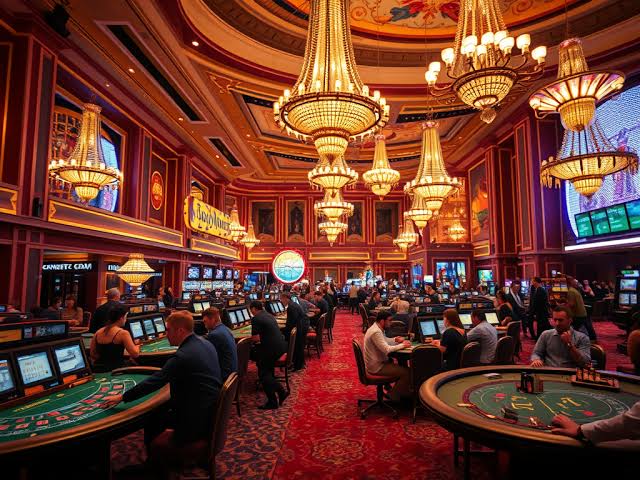
During the twentieth century, casino businesses increasingly combined gaming with other services. Hotels, restaurants, performances, shopping, and leisure facilities became important parts of many resort developments.
This model broadened the potential audience. Visitors could come for entertainment, conferences, dining, or holidays without making gambling the sole purpose of their trip.
Large resorts also required more complex management. Operators needed to coordinate accommodation, food service, staffing, security, marketing, maintenance, and gaming operations under one business structure.
The integrated resort model later became important in several international destinations, including Macau and parts of Asia.
Regulation and the Growth of Licensed Markets
Governments have shaped casino history through decisions about legality, licensing, taxation, and enforcement. Some jurisdictions have maintained strict restrictions, while others have permitted licensed operators under detailed conditions.
Regulation affects more than where casinos can open. It can define ownership standards, financial reporting, gaming equipment requirements, anti-money-laundering obligations, and consumer protections.
The expansion of regulated markets has also increased the importance of specialist compliance teams and independent oversight. In modern casino operations, meeting legal requirements is a central part of business planning.
Regulatory developments have differed across countries, so there is no single global timeline that applies to every casino market.
The Emergence of Electronic Gaming Machines
Mechanical gambling machines appeared before the widespread use of digital technology. Over time, electronic systems changed how games were designed, operated, and monitored.
Electronic gaming machines could offer a wider range of themes, features, and sound effects than many earlier mechanical devices. Digital systems also made it easier to manage machine performance and integrate games into larger casino operations.
As technology developed, regulators introduced technical standards to address fairness, security, recordkeeping, and the integrity of gaming outcomes.
These changes helped transform casino floors from spaces dominated by traditional tables and mechanical devices into environments containing a variety of electronic games.
The Arrival of Online Casinos
The expansion of the internet in the 1990s created new possibilities for gambling businesses. Online platforms allowed some operators to offer digital versions of casino games without requiring customers to visit a physical venue.
This development changed the relationship between casinos and geography. Customers could access services remotely where permitted by law, while operators could serve markets through digital systems.
Online gambling also created new regulatory challenges involving identity verification, cross-border access, payment processing, data protection, and responsible gambling.
The growth of digital platforms did not replace land-based casinos entirely. Instead, the industry developed into a combination of physical venues and online services, with legal rules varying by jurisdiction.
Mobile Technology and Live-Dealer Gaming
Smartphones made digital services more accessible, allowing licensed gambling platforms in some markets to provide mobile interfaces. Live-dealer technology also enabled customers to watch real games streamed from studios or casino tables.
These developments changed interface design, customer support, and technical operations. They also increased the importance of secure accounts, privacy, reliable connectivity, and clear customer-protection procedures.
Mobile access has not made every gambling service legal everywhere. Operators must still follow the rules that apply to the customer’s location and the specific product being offered.
Modern Focus on Responsible Gambling
As the industry has changed, consumer protection has become a more visible part of regulatory policy in many jurisdictions. Measures may include age verification, self-exclusion, spending controls, advertising restrictions, and access to support services.
The design and enforcement of these measures vary. Some jurisdictions require specific tools, while others rely on different combinations of operator duties and regulatory oversight.
Responsible gambling is an important part of the industry’s modern history because it reflects the challenge of balancing commercial activity with public-health and consumer-protection concerns.
Conclusion
The modern casino industry has been shaped by the development of organised gaming venues, the growth of European casino culture, the expansion of Las Vegas, integrated resort development, electronic gaming, online platforms, and changing regulation.
These milestones did not affect every country in the same way. Casino history is a collection of regional developments connected by broader changes in technology, tourism, business, and public policy. Understanding those changes helps explain why today’s casino industry includes both traditional resorts and digital services operating under different legal frameworks.
FAQs
What was one of the earliest organised casino venues?
The Ridotto in Venice, opened in 1638, is frequently cited as an early example of an officially organised gambling venue.
Why was Nevada’s 1931 legalisation important?
It established a legal basis for casino gambling in Nevada and helped create conditions for Las Vegas to develop into a major casino destination.
How did online casinos change the industry?
They made some gambling services accessible remotely and created new challenges involving licensing, payments, cybersecurity, identity checks, and cross-border regulation.
What is an integrated casino resort?
It is a development that combines casino facilities with services such as hotels, restaurants, entertainment, shopping, and conference spaces.

One thought on “What Were the Major Events That Shaped the Modern Casino Industry?”