
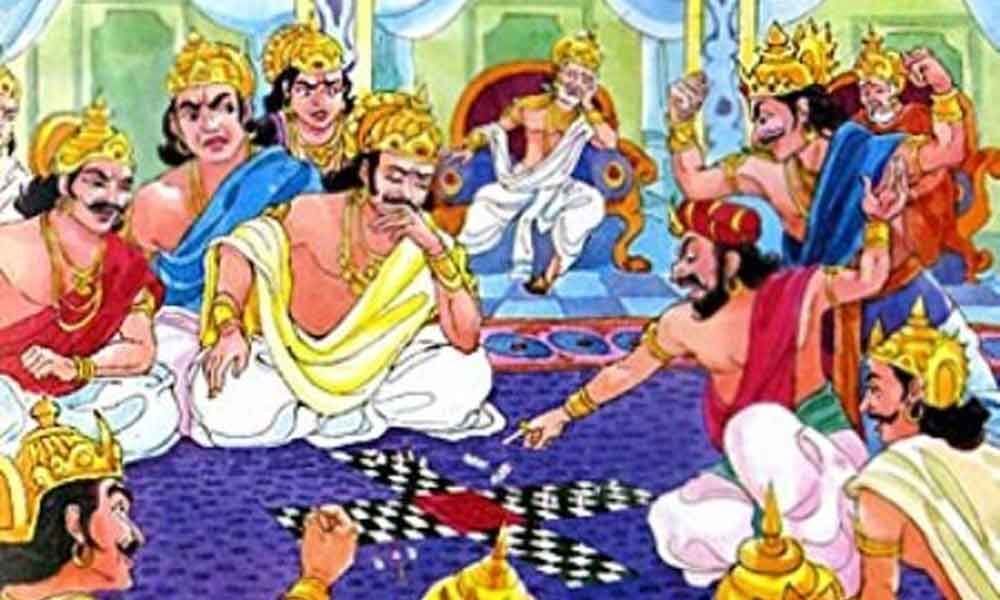
Gambling has a much longer history than modern casinos, digital betting platforms, or the bright lights of Las Vegas. Thousands of years ago, people were already using objects such as marked bones, dice, and lots to play games of chance. These activities appeared in different societies and served purposes that went beyond entertainment, including social interaction, religious rituals, and contests over valuable goods.
The earliest history of gambling is difficult to reconstruct because not every ancient game involved wagering. Archaeologists may find dice-like objects or gaming boards without being able to prove exactly how people used them. Written records, artwork, and surviving objects nevertheless show that games of chance became part of life in many ancient civilisations.
Understanding these early practices reveals how gambling developed alongside trade, social customs, religious beliefs, and the human interest in uncertainty.
The Earliest Evidence of Games of Chance
Some of the objects associated with early gambling were made from bones, stones, or other materials that could produce different outcomes when thrown. Small animal bones, often called astragali or knucklebones, were used in games across parts of the ancient world.
These objects could land in different positions, allowing players to compare results or compete for rewards. Although knucklebones were also used for non-gambling games and divination, they demonstrate how people developed ways to create unpredictable outcomes.
Archaeological discoveries must be interpreted carefully. A gaming object does not automatically prove that money or valuables changed hands. However, when physical evidence is combined with written accounts and artistic representations, researchers can build a clearer picture of how games of chance were played.
Gambling in Ancient Mesopotamia
Mesopotamia, a region associated with early urban societies in parts of modern Iraq and neighbouring areas, provides important evidence of ancient gaming culture. Board games and small gaming objects have been discovered at archaeological sites throughout the region.
One famous example is the Royal Game of Ur, a board game known from objects found in royal tombs at Ur. The game used pieces and throwing objects to determine movement. Its exact rules were not fully understood until researchers combined archaeological evidence with later written information.
The Royal Game of Ur was not necessarily a gambling game in every setting. Nevertheless, games involving chance could easily support friendly competition or wagering when players attached stakes to the outcome.
Such discoveries show that games were part of social and leisure life long before purpose-built casinos existed.
Gambling and Divination in Ancient China
Ancient China developed a variety of games, prediction practices, and forms of chance-based entertainment over many centuries. Historical records describe games and lotteries in different periods, although the origins and dates of particular practices can be difficult to establish precisely.
Some early games used marked objects, sticks, or other randomising methods. Over time, gambling and gaming became connected with social gatherings, festivals, and popular entertainment in different parts of Chinese society.
Chance also appeared in practices associated with divination. People sometimes sought guidance about uncertain events through rituals or systems of interpretation. These practices were not identical to gambling for a stake, but both reflected an interest in uncertain outcomes.
China’s long history of gaming illustrates how chance-based activities could develop within distinct cultural and social traditions.
Games of Chance in Ancient Egypt
Ancient Egypt offers evidence of board games and objects used for recreational or ritual purposes. Senet is among the best-known examples. It involved a board, playing pieces, and movements determined by throwing objects.
Senet had cultural and religious associations, especially in later periods. Its meaning changed over time, and it should not simply be classified as a gambling game. Still, it demonstrates how games involving chance could become embedded in broader ideas about luck, fate, and the afterlife.
Other forms of play and competition existed in Egyptian society as well. The surviving evidence suggests that games could be enjoyed across different settings, although the details of who played them and whether wagers were involved vary by period and context.
Gambling in Ancient Greece
In ancient Greece, games of chance included dice games and activities involving knucklebones. These objects appear in historical accounts, artwork, and archaeological evidence.
Dice could be used in casual games, competitions, or gambling. Wagers might involve coins, food, or other valuable items, although the precise arrangements differed between settings.
Greek attitudes toward gambling were not uniform. Games could be associated with social enjoyment, but excessive wagering could also attract criticism. This tension between entertainment and concern about uncontrolled behaviour has appeared in many later gambling cultures.
Games of chance were also connected with festivals and gatherings, where people came together for recreation and competition.
Gambling in Ancient Rome
The Romans inherited and adapted many gaming practices from the wider Mediterranean world. Dice games were especially well known, and historical accounts describe wagering among different groups of Roman society.
Roman attitudes toward gambling varied according to the activity, social setting, and time period. Some forms of betting were restricted, particularly outside recognised festive occasions, but informal gambling remained part of Roman life.
Dice games could be played in homes, taverns, and other gathering places. They offered a simple way to create competition without requiring specialised equipment or a dedicated venue.
Roman gaming culture demonstrates that gambling was already associated with questions of social behaviour and legal control long before the emergence of modern casino regulation.
How Gambling Reflected Ancient Society
Ancient gambling practices can tell historians about more than games themselves. The materials used for gaming objects reveal information about craftsmanship and trade. The settings in which games were found can offer clues about social class, household life, and cultural exchange.
Wagering also reflected the value people placed on money and possessions. In some settings, games could provide entertainment among friends. In others, stakes could create disputes or reinforce differences in wealth.
Not all ancient societies viewed gambling in the same way. Religious beliefs, legal customs, and social expectations influenced which activities were accepted, restricted, or criticised.
These differences remind us that gambling has never been a single, universal institution. It has taken many forms depending on the culture in which it developed.
From Ancient Games to Modern Casinos
Ancient games of chance did not lead directly to modern casinos in a simple, uninterrupted line. Modern casinos emerged much later through particular social, commercial, and legal developments.
However, ancient practices established several recurring features of gambling: uncertain outcomes, rules for determining winners, competition between participants, and the possibility of staking something valuable.
Later societies developed organised betting, public gaming venues, card games, lotteries, and eventually licensed casinos. Advances in printing, transport, finance, and technology transformed how gambling was offered and regulated.
Today’s casinos are very different from ancient gaming gatherings, but both reflect the long-standing human interest in games, risk, and chance.
Conclusion
Gambling’s early history reaches into the ancient world, where people used dice, knucklebones, board games, and other objects for recreation and sometimes wagering. Evidence from Mesopotamia, China, Egypt, Greece, and Rome shows that games involving chance appeared in many different cultural settings.
Not every ancient game was gambling, and the evidence does not support a single origin for all gambling practices. Instead, the history points to multiple traditions that developed over time. These early activities provide useful context for understanding how gambling later became a more organised part of social and commercial life.
FAQs
When did gambling begin?
There is no single confirmed starting date. Objects and records associated with games of chance date back thousands of years, but evidence that a particular game involved wagering is not always conclusive.
Which ancient civilisation invented gambling?
No single civilisation can be identified as the inventor of gambling. Different societies developed their own games, chance-based practices, and forms of wagering.
Did ancient Egyptians gamble?
Ancient Egypt had board games and other recreational activities. Some games involved chance, but not every game can be confirmed as a gambling activity involving stakes.
How was ancient gambling different from modern casinos?
Ancient gambling generally took place through informal games, social gatherings, and local customs. Modern casinos operate through organised businesses, specialised facilities, and regulatory systems.

One thought on “How Gambling Began in Ancient Civilisations?”