

Europe has played an important role in the history of organised casino gambling. From early gaming venues to nineteenth-century resort destinations and modern licensed markets, the region has developed a wide range of approaches to gambling.
There has never been one single European casino model. Countries have followed different legal traditions, economic strategies, and regulatory policies. Some developed casinos as part of tourism and hospitality, while others maintained tighter restrictions or focused on specific forms of authorised gambling.
The industry’s development has been shaped by changing public attitudes, government revenue policies, technological advances, and the growth of international travel. Understanding these changes helps explain the variety of casino markets found across Europe today.
Early European Gaming Venues
Organised gambling venues developed in parts of Europe well before the modern casino industry emerged. One well-known example is the Ridotto in Venice, which opened in 1638 under public authority during the Venetian Carnival.
The Ridotto provided an organised setting for gaming and is often cited as an early milestone in casino history. It reflected an approach in which authorities sought to manage gambling through a designated venue rather than leaving it entirely to informal settings.
Its operation differed from modern casinos, and it was not the direct origin of every later gaming establishment. Nevertheless, it illustrates the longstanding relationship between gambling, public policy, and social life in Europe.
The Rise of Luxury Casino Destinations
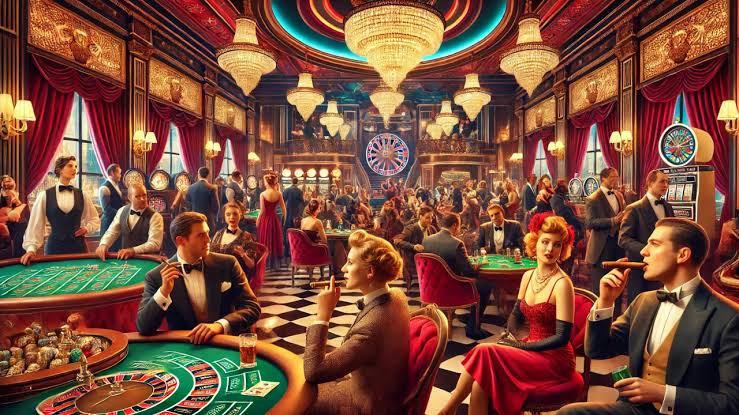
During the eighteenth and nineteenth centuries, gambling venues became associated with fashionable social settings and resort tourism in several European locations.
Monte Carlo became particularly prominent as Monaco developed its reputation as a destination for visitors seeking leisure, hospitality, and gaming. Casino facilities formed part of a broader tourism offering that included hotels, restaurants, architecture, and social events.
Other European destinations also developed casino traditions, although their histories and regulatory arrangements differed.
The resort model helped establish the idea that gambling could be one component of a destination’s wider visitor economy.
Gambling Laws and National Differences
European countries have adopted different legal frameworks for casino gambling. Some permit multiple licensed operators, while others restrict the number or location of casinos or maintain more limited models.
These differences reflect national law, public policy, historical circumstances, and the organisation of gambling regulation. Even within the European Union, gambling is not governed by one completely uniform licensing system.
Operators considering expansion must therefore evaluate each country’s requirements independently. A licence issued in one jurisdiction does not automatically authorise casino operations in every other European country.
National rules may address ownership, financial stability, technical standards, taxation, advertising, and customer protection.
The Development of Casino Resorts
As tourism expanded, some European casinos became part of larger hospitality and entertainment offerings. Hotels, restaurants, cultural attractions, and event facilities helped attract visitors beyond the local customer base.
The scale of these developments varies. Some properties are closely integrated with luxury hotels or resorts, while others operate as smaller venues within established cities or tourist areas.
Casino businesses need to adapt to the needs of their destinations. A resort may depend heavily on seasonal visitors, while an urban venue may draw customers from a broader local area.
Tourism alone does not determine commercial success. Licensing conditions, competition, operating costs, and customer preferences also matter.
Casinos in the United Kingdom
The United Kingdom developed a modern regulatory framework for commercial gambling, including casinos, through legislation and oversight by the Gambling Commission and relevant authorities.
The country’s casino sector operates under rules concerning licensing, customer protection, financial crime prevention, and other compliance obligations. The exact requirements depend on the type of activity and the applicable licence.
The UK experience illustrates how a mature market can combine commercial operations with formal regulatory oversight. It also demonstrates that a casino licence does not remove an operator’s responsibilities toward customers.
Regulatory requirements and policy debates can change, so current operating rules should be checked through official sources.
Casinos in France and Other European Markets
France has a longstanding casino tradition, particularly in resort towns and destinations associated with tourism. Casino operations are subject to national rules and authorisation requirements.
Other European countries have developed their own approaches, influenced by local tourism, economic priorities, and regulatory traditions. Some markets have a significant land-based casino presence, while others place tighter limits on the sector.
These differences affect where casinos can operate, which games they may offer, and what obligations operators must meet.
Comparing European markets requires attention to the specific legal framework rather than assuming that similar cultural or economic conditions produce identical gambling laws.
Online Gambling Changes the European Landscape
The growth of internet access created new opportunities for online gambling businesses. In some European countries, online casino services are permitted under specific licensing and consumer-protection rules. In others, restrictions differ by product or operator.
Online gambling creates regulatory challenges that are different from those associated with physical casinos. Authorities must consider digital identity checks, account security, payment processing, advertising, data protection, and the location of customers.
An operator authorised in one country should not assume that its services are automatically lawful throughout Europe. National requirements remain important, and cross-border services may face additional restrictions.
Tourism, Employment, and Local Economies
Casinos can contribute to local economies through employment, supplier contracts, tourism, and spending on nearby services. Hotels, restaurants, transport providers, and entertainment businesses may benefit when casino venues attract additional visitors.
The actual effect varies by location. Some casinos are important parts of a resort economy, while others represent one element of a larger urban entertainment sector.
Economic assessments should distinguish new spending from spending redirected away from existing businesses. They should also account for public costs, infrastructure needs, and the resources required for regulation and responsible gambling measures.
This broader view gives a more complete picture than focusing only on revenue or visitor numbers.
Responsible Gambling and Modern Regulation
European casino regulation increasingly involves questions about consumer protection, advertising, underage access, and gambling-related harm, although requirements differ between countries.
Measures may include age and identity verification, self-exclusion, customer information, complaint handling, and monitoring of operator compliance.
The effectiveness of these protections depends on implementation and enforcement. Regulators need appropriate powers and resources, while operators must maintain systems that meet the requirements of their licences.
These responsibilities are an important part of the modern European casino industry, alongside commercial development and tourism.
Conclusion
Casino gambling across Europe developed through early organised gaming venues, luxury resort culture, national licensing systems, tourism investment, and the expansion of online services. Countries followed different paths, resulting in a diverse collection of markets rather than one uniform European industry.
The region’s casino history demonstrates how regulation, public policy, and tourism shape gambling businesses. Today, operators must understand local laws and consumer-protection requirements, while governments continue to balance commercial activity with public responsibilities.
FAQs
Where did organised casino gambling first develop in Europe?
One important early example is the Ridotto in Venice, opened in 1638. Other casino traditions developed later in different European cities and resort destinations.
Do all European countries have the same casino laws?
No. Gambling regulation differs by country, and a licence in one jurisdiction does not automatically authorise operations throughout Europe.
How did tourism influence European casinos?
Tourism helped casinos become part of broader hospitality offerings, particularly in resort destinations where visitors also used hotels, restaurants, and other leisure facilities.
Is online casino gambling legal throughout Europe?
No single rule applies everywhere. Online casino gambling is regulated differently across European countries, and operators must follow the laws that apply to their services and customers.


One thought on “How Casino Gambling Developed Across Europe?”