

Not very long ago, gambling looked very different from what we see today. If someone wanted to play casino games, they usually had to travel to a physical casino. These buildings were often located in famous entertainment cities or tourist destinations. Inside, players found gaming tables, slot machines, dealers, bright lights, and crowds enjoying the atmosphere.
People dressed up, met friends, and spent an evening inside these lively spaces.
But over the last three decades, technology has changed nearly every industry, including gambling. The arrival of personal computers, faster internet connections, and later smartphones created new possibilities. Gambling was no longer limited to large buildings.
Online casinos began to grow, slowly transforming how people experience gambling around the world.
Today, a player can open an app or website and join a casino game within seconds. This simple change has reshaped the gambling industry in ways that few people predicted.
The Rise of Online Casinos

Online casinos first appeared in the mid 1990s when internet technology began spreading around the world. Early platforms were very simple. The graphics were basic and the game options were limited.
However, the idea was powerful. Players could gamble without traveling anywhere.
As internet speeds improved, online casinos expanded rapidly. New software allowed smoother gameplay, better graphics, and more secure payment systems.
According to industry research, the global online gambling market is expected to exceed 150 billion dollars within the next few years. This massive growth shows how quickly digital platforms have become part of everyday entertainment.
By comparison, the entire gambling industry worldwide generates more than 500 billion dollars annually, and online casinos now represent one of the fastest growing segments.
Technology companies and casino operators invest heavily in this sector because demand continues rising.
A digital gaming analyst once explained the shift with a simple observation:
“Online casinos didn’t replace traditional gambling overnight. They slowly changed how people access it.”
From Casino Floors to Digital Screens

For decades, casino gaming depended on physical locations. If someone wanted to play blackjack or roulette, they had to sit at a real table with a dealer.
That environment created a special atmosphere. Players heard chips clicking, cards shuffling, and wheels spinning.
Online casinos had to recreate that feeling on screens.
Game developers began designing digital versions of popular casino games. Slot machines became animated experiences with music, colorful themes, and interactive features.
Blackjack, roulette, and poker were also adapted for digital play.
Later, online casinos introduced live dealer games, which became a major turning point.
In these games, a real dealer sits in a professional studio while players watch through a live video stream. Players place bets through the website or mobile app while the dealer shuffles cards or spins the wheel.
This innovation made online gambling feel much closer to the real casino experience.
Now a player sitting in Europe can join a blackjack table hosted in Asia while another player from North America joins the same game.
The internet connects everyone to the same table.
Why Many Players Prefer Online Casinos
Several factors explain why millions of players prefer online casinos today.
Convenience
Perhaps the biggest advantage is convenience. Visiting a physical casino often requires travel, time, and planning. Online casinos allow players to start a game within seconds.
A smartphone or laptop is enough.
Games are available 24 hours a day, making gambling accessible whenever someone feels like playing.
One online player wrote in a gaming forum:
“I used to visit casinos only once or twice a year. Now I can play a few rounds at home whenever I want.”
Game Variety
Physical casinos are limited by space, but online platforms are not. Many websites offer thousands of games including slot machines, table games, bingo, poker variations, and new experimental titles.
Game studios release new slot games every month with different stories, soundtracks, and bonus features.
This constant flow of new content keeps players interested.
Lower Betting Limits
Operating a casino building is extremely expensive. Real casinos must pay for property, electricity, security, and large staff teams.
Online casinos do not face many of those costs. Because of this, they can sometimes offer smaller betting limits that make games accessible to more players.
A beginner can play with small amounts while experienced players can still choose higher stakes.
Practice Games
Another feature attracting new players is free practice mode. Many online casinos allow players to try games without using real money.
This gives beginners a chance to learn the rules before placing real bets.
A new player once commented in a discussion thread:
“Being able to try the game for free helped me understand it. I wouldn’t have tried it otherwise.”
The Growth of Mobile Gambling
Smartphones played a major role in the growth of online gambling. Today, billions of people carry powerful computers in their pockets.
Casino developers quickly realized that players wanted games that worked smoothly on mobile devices.
Modern casino apps are designed specifically for touchscreens. Players can spin slot reels with a swipe or place bets with a simple tap.
Studies suggest that more than 60 percent of online gambling activity now happens on mobile devices.
This shift means people can play almost anywhere, whether they are at home, traveling, or waiting in line somewhere.
A gaming industry report once summarized the trend clearly:
“The mobile phone has become the most popular casino in the world.”
How Governments Are Responding
The growth of online casinos has created new challenges for governments.
Traditional casinos operate within national borders, making regulation easier. Online gambling websites can operate in one country while serving players in many others.
Because of this, governments have begun creating new licensing systems for online gambling companies.
These licenses require operators to follow strict rules, including:
- Fair game algorithms
- Secure payment systems
- Protection of player data
- Responsible gambling tools
Some countries allow licensed online casinos to operate legally, while others attempt to block gambling websites completely.
However, regulating internet gambling remains complicated because technology evolves quickly.
Economic Impact of Online Gambling
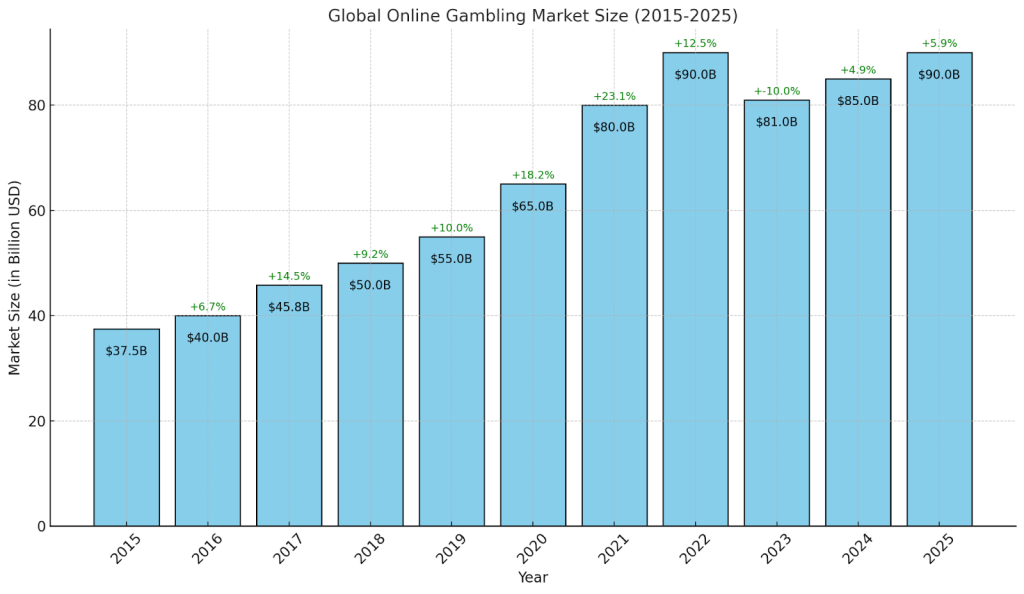
The online gambling boom has created major economic opportunities.
Software companies design casino platforms and gaming engines. Graphic designers create visual themes for slot machines. Data analysts track player behavior to improve user experiences.
Cybersecurity experts protect financial transactions and user accounts.
This digital industry supports thousands of jobs around the world.
Many governments also collect taxes from licensed online gambling operators, which can generate significant public revenue.
For example, some European countries collect hundreds of millions of dollars annually from regulated online gambling taxes.
Real Player Experiences
For many players, online casinos are simply another form of entertainment.
Some enjoy the convenience, while others appreciate the ability to play games that might not exist in their local casinos.
In online discussions, players often describe the experience in personal ways.
One user wrote:
“Online casinos feel different from real casinos, but the excitement when the reels stop is still the same.”
Another player shared a similar thought:
“The best part is being able to jump between games. If I get bored with one slot, I try something else instantly.”
These comments show that online gambling is not just about money. For many players, it is about entertainment and curiosity.
The Future of Online Gambling
Technology continues to evolve, and online casinos are evolving with it.
Some companies are experimenting with virtual reality casinos where players can walk through digital casino floors using VR headsets. Others are exploring new forms of interactive games that blend video gaming and traditional gambling.
Artificial intelligence is also being used to improve security, detect fraud, and identify risky gambling behavior.
These innovations suggest that the next decade could bring even bigger changes to how people experience gambling.
A Digital Version of an Ancient Activity
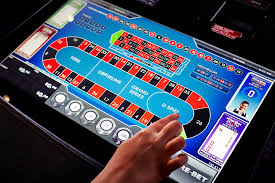
Even though online casinos rely on modern technology, the basic idea behind gambling is very old.
Archaeologists have discovered ancient dice used for gambling that date back more than 3000 years. Humans have always been curious about luck and chance.
Online casinos did not invent gambling. They simply moved it into a new environment.
Instead of casino halls filled with crowds, players now experience games through screens and mobile devices.
Yet the emotional moment remains the same.
The player presses a button. The wheel spins. The cards appear.
And in that brief pause before the result appears, there is always the same quiet thought.
Maybe luck will choose me this time.