
If you look around the world, you will notice something fascinating about gambling. In some countries, casinos glow with bright lights and attract millions of visitors every year. In other places, gambling is tightly controlled or even banned entirely.
Yet despite strict rules in many regions, gambling continues to exist in different forms. People adapt. They travel to places where it is legal, play small games in private settings, or participate in traditional betting activities that have existed for generations.
This contrast between strict laws and human curiosity creates an interesting global story. Gambling is not only about money or luck. It is also about culture, entertainment, and social behavior.
According to several global market studies, the worldwide gambling industry generates more than 500 billion dollars in revenue each year. Even in countries with restrictions, underground betting markets still attract large numbers of players.
The reality is simple. Laws can regulate gambling, but they rarely erase the human desire to test luck.
Countries Where Gambling Laws Are Extremely Strict
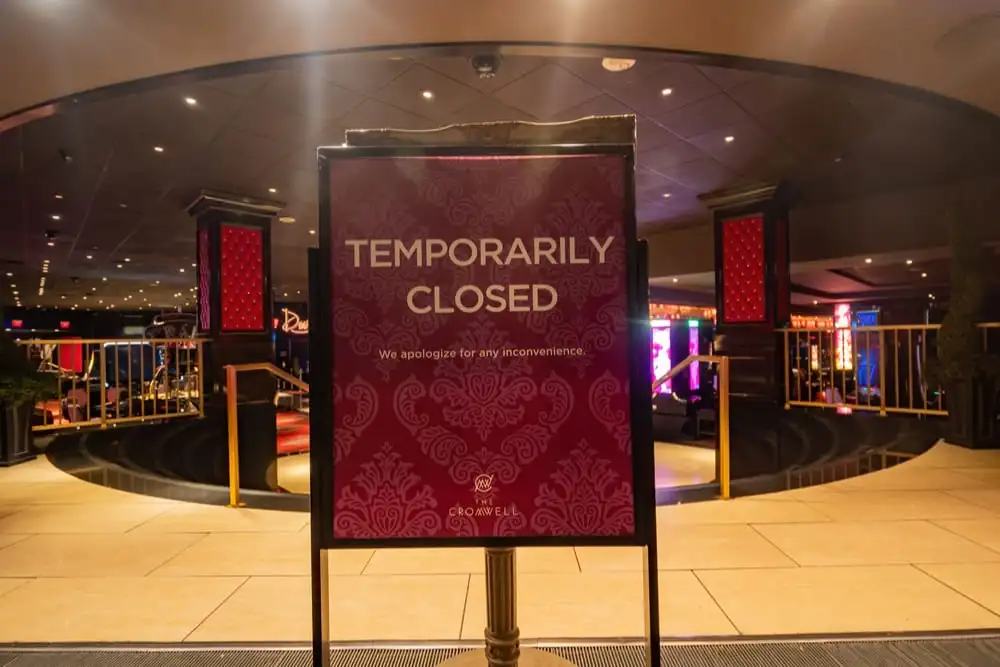
In many parts of the world, governments place strict limits on gambling because of concerns about addiction, financial loss, and crime.
Several countries in the Middle East have some of the strictest gambling laws. These restrictions often come from religious traditions that discourage games of chance involving money. In nations such as Saudi Arabia and Kuwait, casinos do not operate legally, and organizing gambling activities can lead to serious penalties.
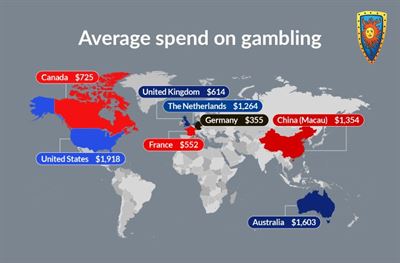
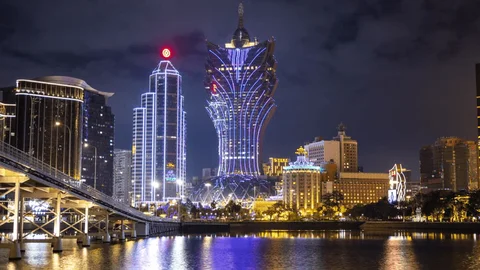
China also maintains strict regulations on most forms of gambling on the mainland. Casinos are illegal there, although two special regions operate differently. Macau is one of the few places where casino gambling is legal and heavily regulated.
Interestingly, Macau has become the largest gambling hub in the world. Before the global pandemic, its casinos generated over 36 billion dollars in annual gaming revenue, which was several times higher than the revenue of many other gambling destinations.
Singapore offers another example of strict regulation rather than a complete ban. The country allows casinos but created strong safeguards. Local citizens must pay an entry fee to enter casinos, while tourists can enter freely. This policy was designed to reduce excessive gambling among residents.
Governments often create these restrictions with protective intentions. Officials want to reduce gambling addiction and protect families from financial harm.
A public policy researcher once summarized the situation clearly:
“Every country struggles to balance economic opportunity with social responsibility when it comes to gambling.”
When Gambling Is Restricted, People Adapt
When official casinos are unavailable, people often find smaller and quieter ways to enjoy games of chance.
Private card games are one of the most common examples. Friends gather in homes or social clubs to play games like poker or local card variations. These games usually involve small stakes and a relaxed environment.
Many people see these gatherings as social traditions rather than serious gambling.
One player wrote in an online discussion forum:
“I don’t go to casinos. But every Friday my friends come over and we play cards. It’s more about the laughs than the money.”
In India, card games are commonly played during festivals such as Diwali. Families gather to play simple betting games with small amounts of money. The tradition is believed by some to bring good fortune for the coming year.
In parts of Southeast Asia, small neighborhood betting games still appear during festivals and celebrations. These games may include dice, number guessing, or traditional card games passed down for generations.
Even when governments try to restrict gambling websites, online gambling still finds ways to reach players. Some platforms operate from countries where online gambling is legal and accept players from around the world.
Research from several industry reports suggests that online gambling revenue surpassed 95 billion dollars globally in recent years, showing how quickly digital gaming has grown.
Technology makes it difficult for governments to completely control access.
Gambling Tourism and Cross Border Travel

Another interesting pattern appears when neighboring countries have very different gambling laws.
If gambling is restricted in one country but legal nearby, players often travel across the border to visit casinos. These trips turn gambling into a kind of tourism experience.
For example, many visitors travel to Macau from mainland China to gamble legally. Similarly, travelers from countries with limited gambling options sometimes visit casino destinations like Las Vegas or Monte Carlo.
Las Vegas alone welcomes more than 40 million visitors each year, and a large portion of them visit casinos during their stay.
These destinations have built entire entertainment industries around gambling. Visitors come not only for gaming tables but also for shows, restaurants, shopping, and nightlife.
Casinos in these locations employ thousands of workers including dealers, hotel staff, chefs, entertainers, and security teams.
A famous casino operator once said:
“A casino is not just a place to gamble. It is a place where people come to experience excitement.”
Underground Gambling Markets
Where strict laws exist, underground gambling sometimes appears.
Illegal betting markets can include unlicensed card rooms, underground sports betting, or unregulated lottery systems. These activities often operate quietly to avoid attention from authorities.
Some studies estimate that illegal gambling markets may be worth hundreds of billions of dollars globally, although exact numbers are difficult to measure because these activities operate outside official systems.
In certain regions, underground sports betting becomes especially popular during major sporting events.
A sports fan once commented during an online discussion about betting culture:
“Even where it’s illegal, people still bet on big matches. It’s part of the excitement.”
However, these underground markets often lack consumer protections. Players may face higher risks of fraud or unfair games because there are no official regulations.
This is one reason some governments eventually decide to legalize and regulate gambling instead of banning it entirely.
Countries Where Gambling Is Open and Regulated
While some nations restrict gambling heavily, others allow it to operate openly under government regulation.
Countries such as the United States, the United Kingdom, and Australia have well regulated gambling industries. Casinos, sports betting platforms, and lottery systems operate under licensing systems designed to ensure fairness and responsible gaming.
Lotteries are one of the most common forms of legal gambling. Around the world, hundreds of millions of people buy lottery tickets each year.
For example, the US Powerball lottery has produced jackpots exceeding two billion dollars, making it one of the largest lottery prizes in history.
Governments often use lottery revenue to support public programs such as education, infrastructure, or social services.
In regulated casinos, security systems and strict rules help ensure fairness. Cameras monitor gaming tables, dealers follow clear procedures, and gaming commissions supervise operations.
Professional poker player Doyle Brunson once described the attraction of gambling in a simple quote:
“Poker is a game of people played with cards.”
His words capture something important. Gambling is not only about numbers or probability. It is also about social interaction, strategy, and shared excitement.
The Balance Between Control and Freedom
Around the world, governments face a difficult challenge when regulating gambling.
Too many restrictions can push gambling into illegal markets where players have fewer protections. Too little regulation can create serious social problems related to addiction or financial loss.
Because of this, many countries continue adjusting their laws as gambling technology evolves.
Online platforms, mobile apps, and digital payment systems have transformed the gambling landscape in the last two decades. Regulators now have to think about international websites and digital betting systems that cross borders instantly.
Despite these changes, one truth remains constant.
People enjoy games of chance.
They enjoy the suspense when a roulette wheel spins, the excitement when cards are revealed, and the hope that the next number might bring a win.
As one long time casino visitor wrote in an online review:
“I know the odds are not always in my favor, but the thrill of the moment keeps me coming back.”
Why Gambling Continues to Exist Everywhere

History shows that gambling has existed for thousands of years. Archaeologists have discovered ancient dice that date back more than 3000 years, proving that games of chance fascinated humans long before modern casinos appeared.
Even when strict laws appear, the curiosity around luck rarely disappears.
Instead, gambling changes its form. It moves from large casinos to private homes, from physical tables to online platforms, or from official games to informal traditions.
This adaptability is one reason gambling has survived across centuries and cultures.
No matter where you travel in the world, you will likely find people gathering around a game of chance.
The setting may change. The rules may be different. The laws may vary.
But the feeling is always familiar.
For a brief moment, when the cards are dealt or the wheel begins to spin, people everywhere share the same quiet thought.
Maybe this time, luck will be on my side.