

Casino gambling across Asia has developed through a wide range of historical, cultural, economic, and legal influences. Some destinations became internationally recognised casino centres, while other countries maintained strict restrictions or permitted only limited forms of gambling.
Macau is among the region’s most prominent casino destinations, but it does not represent the experience of every Asian country. Markets differ in their licensing systems, attitudes toward gambling, tourism strategies, and approaches to consumer protection.
The industry’s evolution has been shaped by local gaming traditions, colonial and commercial histories, government decisions, international investment, and the growth of tourism. More recently, digital technology has introduced new questions about how gambling services are regulated across borders.
Early Gambling Traditions Across Asia
Games of chance have a long history in different parts of Asia. Communities developed games using dice, marked objects, cards, and other materials for recreation, social gatherings, and, in some cases, wagering.
The history of these activities is diverse. Not every game involved money, and practices differed according to local customs and historical periods.
Traditional gaming also existed alongside religious beliefs, festivals, trade, and other forms of social life. As people travelled and communities interacted, games and gaming practices could spread or change.
These historical traditions provide context for the region’s later gambling industries, but modern casinos emerged through different commercial and legal developments.
Macau’s Long Gaming History
Macau has one of Asia’s most established histories of organised casino gambling. Gaming became part of its commercial life long before the development of its modern integrated resorts.
Over time, the legal and commercial organisation of Macau’s casino industry changed. Licensing arrangements influenced who could operate and how the market developed.
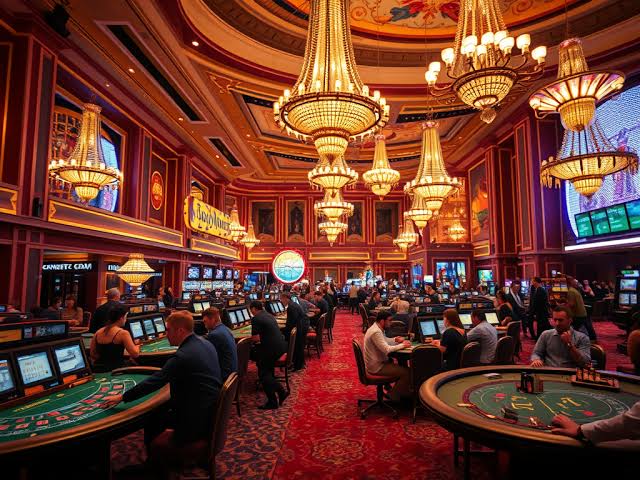
The early twenty-first century brought major changes as the market opened to additional operators. New investment contributed to the construction of large resorts combining casinos with hotels, restaurants, retail facilities, and entertainment.
Macau’s experience illustrates how regulatory reform and investment can reshape a casino destination. Its history should not, however, be treated as representative of every Asian country’s gambling policies.
Singapore and the Integrated Resort Model
Singapore introduced a regulated model that permits casino gambling within a controlled framework. The development of integrated resorts added casino facilities to wider hospitality, tourism, and entertainment offerings.
This model reflects an approach in which casino development is connected to broader tourism planning and subject to regulatory requirements.
The presence of casinos does not mean that all gambling activities are permitted without restriction. Rules governing entry, licensing, customer protection, and other obligations depend on the relevant legal framework.
Singapore’s experience demonstrates how a country can allow selected casino development while maintaining a specific approach to oversight and public policy.
The Philippines and Casino Development
The Philippines has developed a casino industry involving land-based properties, resort destinations, and domestic regulatory oversight. Casino operations are subject to the applicable laws and licensing arrangements.
Tourism, hospitality, and private investment have played roles in the development of casino resorts. Some properties combine gaming with accommodation, restaurants, entertainment, and other leisure facilities.
As in other markets, the commercial outlook depends on visitor demand, operating costs, competition, and regulatory conditions. Investment does not remove the need for controls relating to financial transactions, customer eligibility, and responsible gambling.
The country’s experience illustrates the variety of business models that can emerge within a regulated Asian casino market.
Japan’s Controlled Approach to Casino Resorts
Japan has taken a carefully controlled approach to the development of casino-related integrated resorts. The framework has involved specific legal provisions, approval procedures, and requirements for proposed developments.
The country’s tourism infrastructure and international connections have attracted interest from businesses considering resort investment. However, plans and approvals must be distinguished from completed projects and actual operating activity.
Casino-related development also involves public debate about tourism, economic benefits, gambling harm, and regulatory oversight.
Japan’s experience shows that legal reform can create investment opportunities without automatically producing a large casino industry. The pace of development depends on implementation, financing, construction, and compliance with applicable rules.
Countries With Tighter Gambling Restrictions
Across Asia, some countries maintain significant restrictions on casino gambling or permit only narrowly defined activities. Their approaches may reflect legal traditions, cultural expectations, religious considerations, or public-policy priorities.
It is important not to treat Asia as one uniform gambling market. The legal status of casinos, online gambling, lotteries, and sports betting can differ significantly, even between neighbouring countries.
Businesses considering market entry must examine the specific laws governing their intended activity. The existence of casinos in one Asian destination does not establish that the same business model is permitted elsewhere.
Restrictions may also change over time, so official legislation and regulatory announcements are more reliable than assumptions based on regional trends.
Tourism and International Investment
Tourism has helped shape casino development in several Asian destinations. Airports, hotels, transport networks, conference facilities, and attractions can support integrated resort projects.
International companies may contribute capital, management expertise, technology, and hospitality experience. Domestic developers and suppliers can also play important roles.
However, large projects require substantial investment and may take years to complete. They can be affected by construction costs, financing conditions, changes in regulation, and fluctuations in visitor demand.
Tourism development should therefore be evaluated through actual visitor activity and completed projects, not only through proposed investment figures.
Online Gambling and Digital Technology
Internet access and mobile technology have created new forms of gambling services across the region. In some jurisdictions, particular online gambling activities are permitted under licensing conditions. In others, they are restricted or prohibited.
Digital services raise questions about identity verification, payments, advertising, cybersecurity, and the location of customers. Operators may need to comply with several sets of legal requirements depending on where they are established and whom they serve.
A website being accessible in a country does not prove that its gambling services are legally authorised there. The rules for online casino gambling may also differ from those for physical casinos.
Technology has changed how gambling can be delivered, but it has not removed national regulatory boundaries.
Responsible Gambling and Regulatory Challenges
Asian casino markets face different regulatory challenges depending on their legal systems and operating models. Common areas of concern can include underage access, illegal operators, financial crime, gambling-related harm, and misleading advertising.
Governments may require licensed operators to verify customers, maintain records, follow financial controls, provide complaint procedures, or offer self-exclusion measures.
The details vary between jurisdictions, and the effectiveness of protections depends on enforcement. Regulators need suitable expertise and resources to monitor increasingly complex businesses.
Responsible gambling is therefore an important part of understanding the region’s casino development, alongside investment, tourism, and market competition.
The Future of Casino Gambling Across Asia
The future of Asian casino markets will depend on national decisions rather than a single regional direction. Some jurisdictions may continue developing integrated resorts, while others may retain strict restrictions or review their existing frameworks.
Tourism, technology, investment conditions, and consumer-protection priorities will influence how individual markets evolve. Political and economic changes can also affect development plans.
Observers should distinguish between a proposed legal reform, a law that has been enacted, a licence that has been issued, and a casino that has actually opened. These stages represent very different levels of market development.
Conclusion
Casino gambling across Asia has evolved through diverse local traditions, different legal frameworks, tourism investment, and changes in technology. Macau, Singapore, the Philippines, and Japan illustrate distinct approaches, while other countries maintain more restrictive policies.
There is no single Asian casino model. Each market must be understood through its own history, laws, commercial conditions, and public priorities. The industry’s future will depend not only on investment and visitor demand but also on effective regulation and meaningful protection for customers and communities.
FAQs
Which Asian destination is best known for casino gambling?
Macau is one of the region’s most internationally recognised casino destinations. Singapore and the Philippines also have established casino operations under their respective legal frameworks.
Do all Asian countries permit casino gambling?
No. Legal approaches differ considerably. Some countries permit regulated casinos, while others maintain strict restrictions or allow only limited activities.
How has tourism influenced casino development in Asia?
Tourism has supported investment in integrated resorts, hotels, entertainment facilities, and related infrastructure in some markets. The effects vary by destination and depend on actual visitor demand.
Is online casino gambling legal across Asia?
No. Online gambling rules differ by jurisdiction and may be separate from laws governing land-based casinos. Customers and operators need to check the specific laws that apply.



One thought on “How Casino Gambling Evolved Across Asia?”