
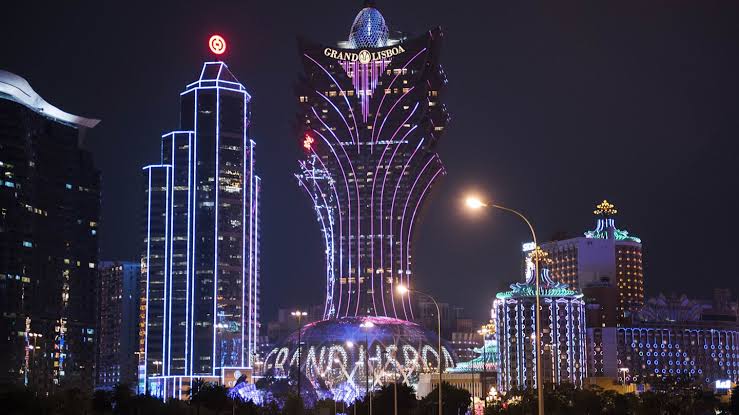
Macau has become one of the world’s best-known casino destinations, attracting international attention for its large resorts, gaming facilities, hotels, restaurants, and entertainment offerings. Its development reflects a distinctive combination of local history, government policy, tourism, and investment.
Unlike Las Vegas, which developed within the United States’ state-based gambling framework, Macau followed a different path shaped by its own political and economic history. Changes to the organisation of its gaming industry, especially in the early twenty-first century, helped reshape the city’s resort landscape and international profile.
Macau’s experience demonstrates how licensing decisions and investment can transform a destination. It also shows why a casino market’s future depends on regulation, visitor demand, economic conditions, and the ability to adapt to changing government priorities.
Macau’s Early Gaming History
Gaming has a long history in Macau, predating its modern international resort industry. For many years, gambling formed part of the local economy and was closely connected to the city’s position as a trading and visitor destination.
The industry developed under different ownership and regulatory arrangements over time. Its history reflects the changing relationship between local business interests, public policy, and the economic role of gaming.
This earlier experience provided a foundation for later development, but Macau’s modern casino industry was not simply an unchanged continuation of its past. Changes in regulation, investment, and tourism eventually transformed the scale and structure of the market.
The Role of Government and Licensing
Government policy has been central to Macau’s casino development. The rules governing who could operate, the terms of concessions, and the conditions attached to gaming businesses influenced how the market evolved.
For much of the late twentieth century, casino operations were organised under a concession system with limited competition. This structure shaped the pace of development and the relationship between operators and public authorities.
Licensing arrangements changed significantly around the beginning of the twenty-first century. The introduction of additional operators helped open the way for new investment and a different competitive environment.
The exact terms of gaming concessions and the regulatory framework have continued to evolve. These arrangements remain important for understanding the industry’s opportunities and obligations.
Market Opening and International Investment
A major change came in the early 2000s, when Macau opened its casino market to additional operators through a revised concession structure.
New entrants brought investment, development expertise, and different approaches to resort design and hospitality. The result was a significant expansion of casino-related infrastructure and a broader range of properties.
International investment helped support the construction of large resorts, hotels, restaurants, shopping facilities, and entertainment spaces. It also increased the scale of competition between operators.
However, market opening did not remove the need for government oversight. Casino companies continued to operate under licensing requirements, and their activities remained subject to changes in regulation and public policy.
The Growth of Integrated Resorts
Macau became particularly well known for integrated resorts that combine casino facilities with accommodation, dining, shopping, entertainment, and other visitor services.
These developments transformed parts of the city into large-scale leisure destinations. Visitors could stay at a resort, attend performances, shop, dine, and use other facilities within the same complex.
Integrated resorts also changed the business requirements of casino operators. Companies needed expertise in construction, hospitality, event management, workforce planning, security, and customer service, in addition to gaming operations.
The model helped Macau compete as a destination for international visitors, although the performance of individual properties depends on demand, costs, and the wider economic environment.
Tourism and Transport Connections
Macau’s position in the Pearl River Delta region has influenced its tourism development. Its connections with neighbouring areas and transport infrastructure have helped facilitate travel from different parts of the region.
Tourism is important to the city’s wider economy, with visitors using accommodation, restaurants, retail facilities, attractions, and other services alongside casino properties.
Transport developments can affect how easily people reach the destination and move between its districts. Yet accessibility alone does not guarantee consistent visitor demand. Travel policies, economic conditions, customer preferences, and competition from other destinations can all influence tourism.
A sustainable visitor economy also depends on services beyond gaming, including cultural attractions, dining, and hospitality.
Competition and Changes in the Business Model
The arrival of additional operators changed the competitive environment. Companies sought to distinguish their properties through resort design, accommodation, entertainment, dining, and other services.
Competition can encourage investment and service improvements, but it also creates financial pressure. Large resort projects require substantial capital and ongoing operating expenditure, and businesses need sufficient demand to cover these costs.
Macau’s operators have also had to respond to changing government priorities and expectations about the wider economic role of tourism. These developments have influenced business planning and the kinds of visitor experiences companies seek to offer.
The market’s evolution demonstrates that a destination can change significantly when licensing structures and investment opportunities change.
Regulation and Responsible Gambling
Macau’s casino industry operates under a specific legal and regulatory framework. Licensing, oversight, financial controls, and operating requirements influence how companies conduct business.
Responsible gambling and the prevention of illegal activity are also important considerations. Authorities and operators must follow the requirements applicable to customer eligibility, financial transactions, and other regulated activities.
The details of these obligations can change over time, so operators and researchers need to consult current official rules rather than rely solely on historical descriptions.
Diversification Beyond Casino Gaming
Macau’s economy has historically depended heavily on gaming-related activity, making economic diversification an important policy consideration.
Hotels, restaurants, shopping, cultural attractions, conferences, and other tourism services can help broaden the range of activities available to visitors. Diversification may also create opportunities for local businesses and workers outside casino operations.
However, building a broader tourism economy takes time. It requires investment, marketing, skills development, and attractions that can appeal to visitors for different reasons.
The success of diversification should be assessed through actual economic activity, visitor behaviour, and the development of sustainable businesses rather than announcements alone.
Challenges Facing Macau’s Casino Industry
Macau’s position as a major destination does not make its industry immune to challenges. Operators may face changes in travel demand, regulatory requirements, economic conditions, and customer preferences.
Large resorts also involve high operating costs and extensive staffing needs. Businesses must maintain facilities, manage financial risks, and comply with applicable laws.
The city faces the broader challenge of balancing the economic role of gaming with public priorities, social responsibilities, and efforts to broaden the local economy.
These factors will continue to influence how Macau’s casino industry develops.
Conclusion
Macau developed into a global casino destination through its long gaming history, changing concession arrangements, international investment, tourism infrastructure, and the growth of integrated resorts. The market reforms of the early 2000s played an important role in reshaping competition and attracting new development.
Its experience shows how government policy can influence the structure and scale of a casino industry. It also demonstrates that long-term success requires more than large properties and visitor numbers. Regulation, responsible operations, economic resilience, and diversification remain important parts of Macau’s future.
FAQs
Why did Macau become a major casino destination?
Its development was shaped by a long gaming history, licensing reforms, international investment, tourism demand, and the construction of large integrated resorts.
When did Macau’s casino market open to additional operators?
Important changes occurred in the early 2000s, when the concession system was revised to allow additional operators and greater competition.
What is an integrated resort in Macau?
It is a large development that combines casino facilities with hotels, restaurants, shopping, entertainment, and other visitor services.
Is Macau’s economy entirely dependent on casinos?
Gaming has played a major economic role, but tourism, hospitality, retail, and diversification efforts are also important to the city’s wider economic development.
One thought on “How Macau Developed into a Global Casino Destination?”