
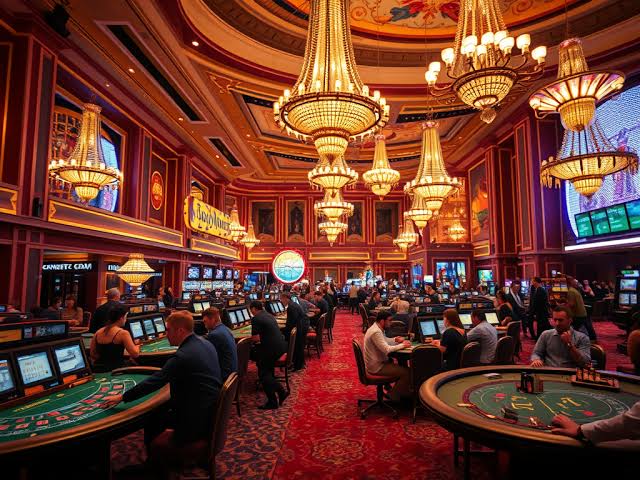
The modern casino resort is very different from the traditional gaming hall. Today’s large properties may include hotels, restaurants, theatres, shopping areas, conference facilities, and extensive leisure services. Earlier gambling venues were often smaller and more focused on games, although their size and purpose varied by location and period.
This transformation took place over centuries. Changes in social customs, government policy, tourism, transportation, architecture, and business investment all influenced how casinos developed.
The evolution was not identical everywhere. Some destinations became known for luxury resorts, while others retained smaller casinos or developed tightly controlled gambling districts. Nevertheless, the movement toward combining gaming with wider entertainment has been one of the most important trends in modern casino history.
Early Gambling Halls and Social Gaming
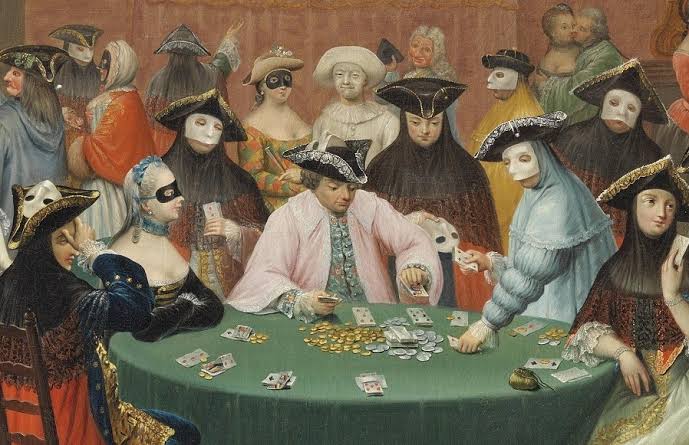
For much of history, games of chance took place in informal settings such as homes, taverns, public gathering places, and private clubs. Dedicated gaming venues developed in different societies at different times.
Some establishments provided a place where people could meet, play games, and wager under particular house rules. Their facilities were generally much more limited than those of today’s integrated resorts.
The legal status of these venues varied widely. Some were tolerated or regulated, while others operated in uncertain legal environments or faced restrictions.
These early settings helped establish the idea that gambling could be organised as a service, but they did not all share the same structure or commercial model.
European Casinos and Formal Social Experiences
During the early modern and nineteenth centuries, organised gambling venues became associated with parts of European social and resort culture.
Monte Carlo became especially prominent as gambling was linked with luxury travel, hotels, and fashionable leisure. The casino was no longer simply a room containing games. It could form part of a destination designed to attract visitors and encourage longer stays.
Architecture and atmosphere became important elements of the experience. Grand interiors, formal dress expectations in some settings, and nearby cultural attractions helped create an identity that distinguished one destination from another.
These developments contributed to the modern perception of casinos as places connected with hospitality and social occasions.
The Rise of Las Vegas
Las Vegas became a major turning point in the development of the casino resort model. Following Nevada’s 1931 legalisation of wide-ranging casino gambling, the city’s hospitality and gaming sectors expanded over subsequent decades.
Casino operators increasingly combined gaming floors with hotel rooms, restaurants, live entertainment, and other attractions. This gave visitors more reasons to stay at a property rather than treating gambling as a short standalone activity.
The city’s development also reflected changes in transport, marketing, construction, and visitor expectations. Large-scale properties became part of a competitive environment in which operators sought to offer distinctive experiences.
Las Vegas did not invent every feature of the modern resort, but it became one of the most influential examples of the model.
From Gaming Floors to Integrated Resorts
Integrated resorts expanded the casino concept by bringing multiple businesses and services into one development. Depending on the property, guests may find hotels, restaurants, retail spaces, performances, spas, event venues, and conference facilities.
This approach broadens the customer base. Visitors may come for a concert, business event, family holiday, or restaurant experience, even if gambling is not their main interest.
For operators, however, the model increases complexity. Managing accommodation, entertainment, food service, security, maintenance, and gaming requires coordination across many departments.
Integrated resorts can also have substantial effects on nearby communities through employment, transport demand, land use, and infrastructure needs.
The Role of Architecture and Design
Casino design has changed alongside the scale of the industry. Traditional halls often prioritised space for gaming, while modern resorts may be designed as complete environments with distinct visual identities.
Lighting, interior layouts, sound, signage, and circulation all influence how visitors experience a property. Resort design may also draw on local architecture or themes intended to distinguish the destination.
Design must serve practical needs as well. Operators need clear routes, accessible facilities, effective emergency planning, suitable security arrangements, and compliance with building requirements.
A visually impressive property is only one part of a successful operation. Service quality, safety, and responsible management remain essential.
Technology Changes Casino Operations
Technology has transformed gaming equipment and the way casinos manage their businesses. Mechanical games gave way to electronic systems, while modern properties use digital tools for reservations, accounting, security, maintenance, and compliance.
Electronic gaming machines offer features that were not possible with older mechanical devices. Digital monitoring can also help operators maintain records and support regulatory oversight.
At the same time, technology introduces responsibilities involving cybersecurity, system integrity, privacy, and staff training.
The most effective use of technology depends on appropriate controls. Digital systems must be maintained and monitored rather than treated as a replacement for sound management.
Online Casinos and the Changing Definition of a Casino
The rise of internet-based gambling created services that do not require a physical gaming floor. Where permitted by law, online casinos can offer digital games through websites or applications.
This development expanded the meaning of casino operations, but it did not erase the distinction between physical venues and digital services. Each may face different licensing requirements, tax arrangements, and consumer-protection obligations.
Online platforms also changed customer expectations around access, payments, account security, and support. Regulators must address risks that differ from those associated with a traditional building.
The modern gambling industry therefore includes several operating models rather than one universal casino format.
Customer Expectations and Responsible Operations
Modern casino resorts compete through hospitality, entertainment, convenience, and service quality. Visitors may expect comfortable accommodation, varied dining options, accessible information, and reliable facilities.
At the same time, responsible gambling has become an important part of regulatory and operational discussions. Depending on the jurisdiction, operators may be required to verify age, provide self-exclusion, display information about risks, and follow advertising restrictions.
The evolution of casinos is therefore not only a story of larger buildings and more technology. It is also a story of increasingly complex operating responsibilities.
Conclusion
Casinos evolved from varied forms of traditional gaming venues into a broad industry that includes luxury resorts, integrated entertainment destinations, and digital platforms. European casino culture, the growth of Las Vegas, international resort development, and advances in technology all contributed to this transformation.
The modern casino is as much a hospitality and regulatory operation as it is a place to play games. Its future will depend on how businesses balance visitor experiences, technological change, legal obligations, and responsible gambling practices.
FAQs
When did casinos begin to resemble modern resorts?
The shift developed gradually, especially as European resort culture and twentieth-century destinations such as Las Vegas linked gambling with hotels and entertainment.
What is the difference between a gambling hall and an integrated resort?
A traditional gambling hall is more focused on gaming, while an integrated resort combines casino facilities with services such as hotels, restaurants, shopping, and entertainment.
How has technology changed casinos?
Technology has transformed gaming machines, security, accounting, reservations, compliance, and customer services. It has also enabled online gambling where legally authorised.
Are modern casino resorts focused only on gambling?
Not necessarily. Many offer accommodation, dining, entertainment, shopping, and event facilities, although the exact mix varies by property.



One thought on “How Casinos Evolved from Traditional Gambling Halls to Modern Resorts?”