
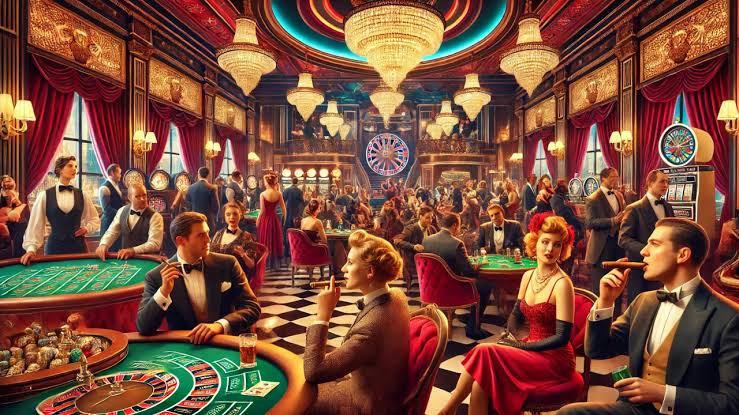
The history of casinos is closely connected to the places where gambling became organised, regulated, and commercially significant. Certain venues and developments changed public perceptions of gambling by combining gaming with architecture, hospitality, entertainment, and tourism.
These landmarks did not all have the same purpose. Some were designed to provide controlled spaces for gaming, while others helped build the reputation of an entire city as a gambling destination. Later developments introduced large-scale resorts, international investment, and new ways of combining casino operations with leisure travel.
Examining these milestones helps explain how casinos moved from relatively specialised gaming venues toward the complex entertainment businesses found in many markets today.
The Ridotto in Venice and Organised Gaming
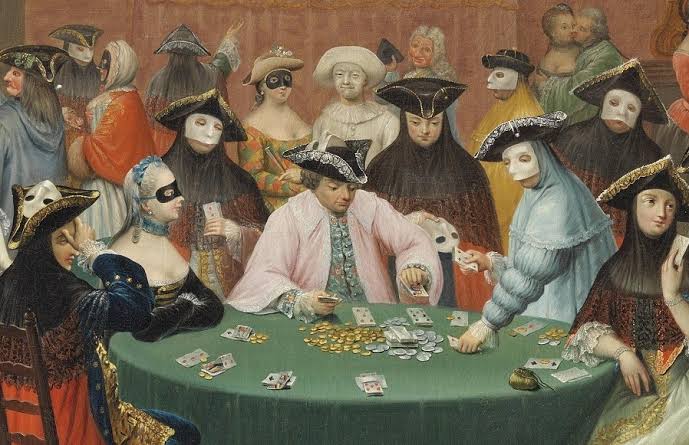
One frequently cited landmark in casino history is the Ridotto in Venice, which opened in 1638. Established under public authority, it provided an organised setting for gambling during the Venetian Carnival.
The Ridotto is important because it illustrates an early attempt to manage gambling through a designated venue. Rather than treating gaming solely as an informal activity, authorities created a setting with rules and oversight.
Its operation was different from that of a modern casino, and it should not be treated as the direct model for every later venue. Nevertheless, it remains a significant example of how governments and communities experimented with organising gambling in a controlled environment.
Monte Carlo and the Casino Resort Image
The casino at Monte Carlo became a major symbol of luxury gambling during the nineteenth century. Its development formed part of a wider strategy to establish Monaco as a destination for visitors seeking leisure and fashionable social experiences.
The venue helped strengthen the association between casinos, grand architecture, hotels, formal entertainment, and tourism. This image influenced how many people imagined an international casino destination.
Monte Carlo’s importance also demonstrates how gambling can be integrated into a wider economic strategy. A casino’s role may extend beyond gaming revenue to include visitor spending on accommodation, dining, events, and other services.
Las Vegas and the Growth of the Casino City
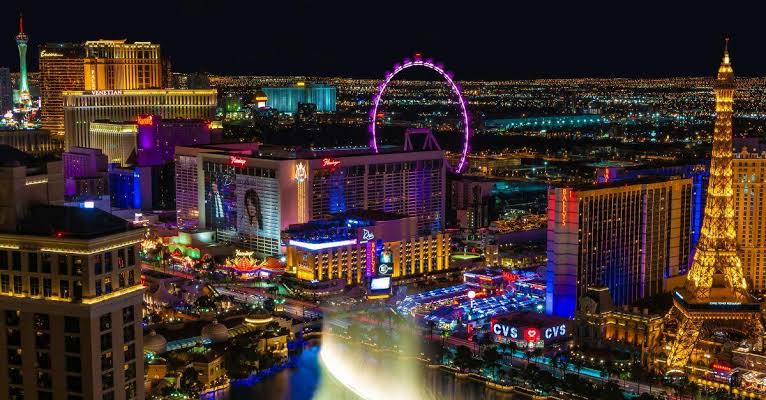
Las Vegas developed into one of the world’s most recognisable casino cities through a combination of legal change, investment, hospitality, and entertainment.
Nevada’s legalisation of wide-ranging casino gambling in 1931 helped establish a framework for the industry’s development. Over subsequent decades, casinos and hotels expanded, and the city became known for large resorts and entertainment-led visitor experiences.
The growth of Las Vegas was not the result of one property alone. It involved numerous businesses, infrastructure projects, changing visitor expectations, and evolving regulations.
Its history helped popularise the idea that a casino could serve as the centrepiece of a broader destination, attracting visitors for shows, dining, accommodation, and leisure activities as well as gambling.
The Development of Large Strip Resorts
As Las Vegas expanded, many operators invested in larger properties that combined gaming with hotels, restaurants, entertainment venues, and other facilities.
These developments changed the scale of casino operations. Instead of managing a gaming room alone, businesses had to coordinate complex hospitality operations and serve a broad mix of visitors.
Large resorts also influenced marketing. Operators promoted complete experiences, from accommodation and dining to performances and events. This helped casinos compete within the wider tourism and entertainment industries.
However, large developments also required substantial capital and brought challenges involving staffing, infrastructure, construction costs, and the management of high visitor volumes.
Macau’s Transformation Into a Global Casino Destination
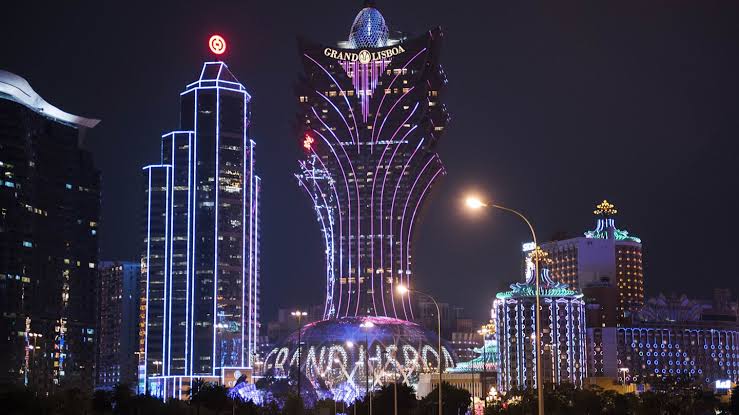
Macau developed into a major casino destination through a distinctive combination of local gaming history, tourism, international investment, and regulatory change.
The opening of the market to additional operators in the early 2000s contributed to a period of substantial development. New resorts, hotels, entertainment facilities, and transport links changed the city’s visitor economy.
Macau’s experience illustrates how market structure can influence the scale and character of casino development. Changes in licensing can attract investment, but the resulting industry remains affected by regulation, tourism demand, economic conditions, and government policy.
Its development also shows why casino markets cannot be assessed solely by the size of their properties. Their long-term performance depends on the wider business and regulatory environment.
Integrated Resorts and International Expansion
Integrated resorts became an important model in several markets. These developments combine casino facilities with accommodation, restaurants, entertainment, shopping, and sometimes convention spaces or other attractions.
The model allows destinations to appeal to visitors with different interests. Some guests may attend a conference or concert, while others may focus on dining, shopping, or gaming.
Integrated resorts can also require more complex investment arrangements and planning. Governments must consider land use, infrastructure, labour needs, licensing, and social impacts.
Their spread reflects the growing connection between casino development and broader tourism strategies.
Digital Platforms Create a New Kind of Landmark
Not every major development in gambling history involves a physical building. The emergence of online casinos created a new type of gambling service that operates through websites and digital applications where legally authorised.
Online platforms changed how customers interact with games and how operators manage accounts, payments, security, and customer support. They also raised questions about jurisdiction, identity verification, data protection, and enforcement across borders.
Digital services have not made physical casinos obsolete. Many markets continue to support land-based resorts, while online gambling is separately regulated or restricted.
The significance of digital platforms lies in their expansion of the industry’s delivery methods and the new regulatory questions they create.
What Landmark Developments Have in Common
Although major casino developments differ in location and design, several themes recur throughout their history.
- Organisation: Dedicated venues created more structured settings for gaming.
- Tourism: Casinos increasingly became part of wider travel and hospitality experiences.
- Investment: Large developments required funding, infrastructure, and specialist management.
- Regulation: Licensing and oversight influenced where and how the industry expanded.
- Technology: Electronic systems and online platforms changed gaming operations.
- Public responsibility: Consumer protection and social impacts became important policy considerations.
These themes show that casino history is not only about games. It is also about the relationship between commercial development, public policy, and changing ideas about entertainment.
Conclusion
Landmark casino developments changed gambling history by establishing organised venues, shaping luxury casino culture, expanding Las Vegas and Macau, and popularising integrated resorts. Digital platforms later added a new dimension to the industry.
No single property explains the development of modern casinos. Instead, the industry evolved through a series of changes in regulation, tourism, technology, investment, and customer expectations. These milestones help explain the varied forms casinos take around the world today.
FAQs
What is one of the most significant landmarks in casino history?
The Ridotto in Venice is frequently cited as an early organised gambling venue. Later developments in Monte Carlo, Las Vegas, and Macau also played important roles in shaping casino culture.
How did Las Vegas change casino development?
Las Vegas helped popularise large resorts that combined gaming with hotels, dining, entertainment, and other visitor attractions.
Why was Macau’s casino expansion significant?
Changes to the market’s licensing structure in the early 2000s helped attract new investment and contributed to the development of large integrated resorts.
Can online casinos be considered a major development in gambling history?
Yes. Online platforms changed how gambling services are delivered and created new questions about licensing, payments, cybersecurity, and consumer protection.
One thought on “How Landmark Casino Developments Changed Gambling History?”