
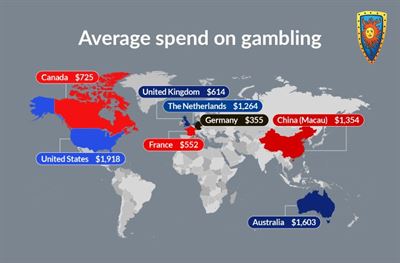
Gambling exists in many parts of the world, but it does not look the same everywhere.
In one country, sports betting might be the most common habit. In another, people mainly buy lottery tickets at small shops. Somewhere else, casinos may represent luxury travel and nightlife. And in some places, gambling may remain quiet or limited because the culture does not fully accept it.
The basic idea of gambling is universal: risking money on chance. But how people gamble, how often they gamble, and how society views gambling can vary dramatically from one country to another.
This difference comes from many forces working together: culture, family teaching, religion, law, economics, and technology. A country does not shape gambling habits only through rules. It shapes them through everyday life.
That is why two people from different countries might both say they gamble but mean completely different things.
One person might buy a lottery ticket once a month.
Another might place sports bets every weekend with friends.
Another might only gamble during vacations in casino cities.
Another might avoid it almost completely.
Understanding these habits means looking beyond the games and into the culture behind them.
1. Daily Life and Family Traditions Shape Gambling Habits

The first influence on gambling habits is daily life.
People develop habits within the environment they grow up in. Family attitudes toward money, risk, and games often shape how someone feels about gambling later in life.
In some countries, small forms of gambling are part of normal social life:
- Lottery tickets are sold in corner shops.
- Friends place small sports bets during games.
- Card games with small wagers happen at family gatherings.
In these places, gambling may feel like just another leisure activity.
In other countries, the attitude is very different. Children may grow up hearing warnings about gambling from parents or elders. Stories about relatives who lost money or families who struggled because of gambling may create caution.
Those early lessons often stay strong into adulthood.
Real-world example
In the United Kingdom, sports betting is widely discussed during football matches. Many fans treat a small bet as part of the viewing experience.
But in Japan, gambling has historically been more restricted. Many people instead participate in state-regulated lottery games or pachinko machines, which operate under a unique legal framework.
These differences show how culture shapes habit long before law enters the picture.
2. Religion, Law, and Social Values Influence Gambling Behavior
The second major influence is the legal and moral environment.
Religion and law often shape how comfortable people feel about gambling.
In some countries, religious traditions strongly discourage gambling. This does not mean people never gamble, but the habit may remain quieter or more private. Public discussion of gambling may also be limited.
In countries where religion plays a smaller role in public policy, gambling is often judged more as entertainment or business.
Example: Singapore’s controlled model
Singapore allows casinos but imposes strict rules. Residents must pay an entry fee to visit casinos, and people under 21 are not allowed inside.
This system reflects a cautious approach: gambling is permitted but tightly controlled.
Example: United States diversity
In the United States, gambling laws vary by state. Some states have many casinos and legal sports betting, while others allow only lotteries or limited forms of gambling.
This creates different habits depending on where someone lives.
Global statistics
Research suggests that around 40–80% of adults worldwide gamble at least once per year, depending on the country and available forms of gambling. However, only a small percentage develop serious gambling problems.
These numbers highlight something important: gambling is common globally, but how it is practiced differs widely.
3. Economic Conditions Shape Gambling Preferences
Economic conditions also affect how people gamble.
In wealthier countries, gambling may be tied to tourism and luxury entertainment. Large casino resorts combine gaming with hotels, restaurants, shows, and shopping.
Cities like Las Vegas and Macau attract millions of visitors every year who view casinos as part of a larger entertainment experience.
In lower-income environments, gambling often takes different forms.
People may prefer:
- Low-cost lottery tickets
- Small community betting games
- Informal number games
These options require less money upfront but still offer the dream of a large prize.
Global example
Lotteries are one of the most popular gambling forms worldwide because they are accessible and inexpensive. In many countries, a lottery ticket costs only a few dollars or less.
For many players, the appeal is simple: a small cost for the chance of a life-changing win.
4. Technology Is Rapidly Changing Gambling Habits
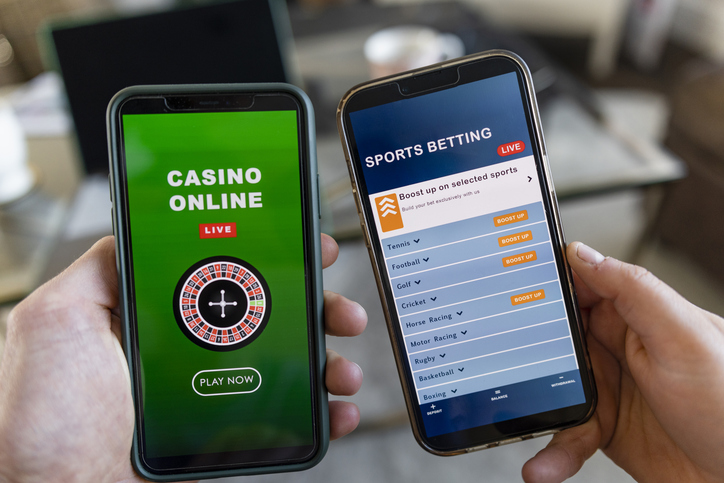
Technology has transformed gambling habits across many countries.
In the past, people had to travel to casinos, racetracks, or betting shops. Today, gambling can happen on a smartphone.
Online betting and casino apps allow people to place wagers from home, during sports events, or even while commuting.
In countries with strong internet access, online gambling has grown rapidly.
Example
Sports betting apps have expanded dramatically in several countries where gambling laws recently changed. This has led to a surge in mobile betting during major sporting events.
But technology does not create identical habits everywhere.
Some countries focus heavily on online sports betting. Others prefer digital lotteries or online casino games. Cultural interest in sports, cards, or lottery-style games still shapes which forms become popular.
5. Media and Popular Culture Influence Gambling Attitudes
Media also shapes how societies think about gambling.
Movies, television, and news stories often portray gambling in powerful ways.
Some films present casinos as glamorous and exciting. Others focus on stories of addiction or financial ruin.
These repeated images affect how people imagine gambling long before they experience it.
Famous example
Films set in casino cities like Las Vegas often show high-stakes poker, luxury hotels, and dramatic wins or losses. These stories can make gambling appear adventurous and glamorous.
But news coverage of gambling addiction or financial losses can create the opposite impression.
Over time, these cultural messages help shape national attitudes.
6. Real Voices: What People Say About Gambling
Comments from everyday players often reveal how habits differ across countries.
One sports bettor wrote online:
“Here in the UK, betting on football is almost part of the match-day experience. Most of my friends place small bets just for fun.”
Another player from Canada shared a different perspective:
“I only buy lottery tickets a few times a year. It’s more like a tradition when jackpots get big.”
A traveler describing casino tourism in Macau said:
“The casinos feel less like gambling halls and more like entertainment resorts.”
These personal experiences highlight how gambling can mean very different things depending on where someone lives.
7. Risk and Cultural Attitudes Toward Luck
Finally, gambling habits reflect deeper cultural attitudes toward risk and luck.
Some societies admire bold risk-taking. In those places, larger bets and competitive gambling may carry social energy.
Other cultures value caution and careful financial behavior. In those environments, gambling may stay limited to small, occasional forms like lotteries.
Even the idea of luck can vary.
In some cultures, luck is seen as exciting and worth chasing. In others, relying on luck may feel irresponsible compared with hard work and saving.
These beliefs quietly shape gambling behavior across generations.
Final Thoughts: Gambling Habits Reflect the Culture Behind Them
Gambling habits differ from country to country because societies themselves differ.
Daily life, family traditions, religion, laws, technology, and economic conditions all influence how people interact with games of chance.
One country may build gambling culture around sports betting.
Another may prefer lotteries.
Another may treat casinos mainly as tourist attractions.
Another may limit gambling so strongly that it stays mostly hidden.
The games themselves are similar almost everywhere.
But the meaning behind them changes.
In one place gambling may feel like entertainment.
In another it may feel risky or controversial.
In another it may simply be part of tradition.
That is the deeper truth.
Gambling habits do not change from country to country only because the rules are different.
They change because every culture teaches its own ideas about money, luck, freedom, and risk.