
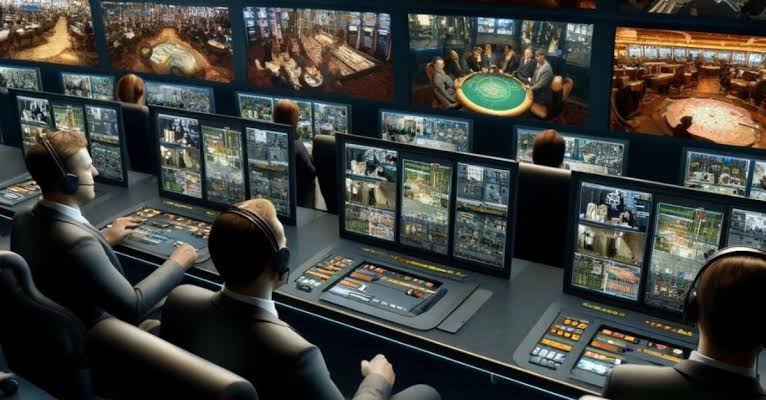
Modern casinos operate in environments where security, accurate transactions, and fair game procedures are essential. A busy gaming floor may contain numerous tables, electronic machines, cash-handling areas, entrances, and restricted staff spaces. Monitoring these areas effectively requires more than occasional observation.
Surveillance technology helps casinos identify potential rule violations, investigate disputes, and protect customers and staff. Traditional camera systems remain important, while newer tools can help organise footage, track transactions, and flag activity that warrants further review.
However, surveillance does not eliminate every form of cheating or guarantee that every incident will be detected. Effective security depends on trained personnel, clear procedures, reliable technology, and appropriate oversight.
Why Casinos Use Surveillance Systems
Casino surveillance serves several purposes. It can help protect people and property, investigate suspected theft, support the enforcement of gaming rules, and provide evidence when an incident occurs.
Surveillance may also help staff understand what happened during a disputed transaction or game procedure. For example, recorded footage could assist an investigation into whether a chip was moved, a payment was handled incorrectly, or an unauthorised person entered a restricted area.
The exact scope of surveillance depends on the venue, local law, and the operator’s security policies.
Camera Systems and Casino Monitoring Rooms
Many casinos use networks of cameras to monitor gaming floors, entrances, cashier areas, corridors, and other relevant locations. Security personnel can observe live feeds and review recorded footage when investigating an incident.
Modern systems may provide higher-resolution video, improved low-light performance, and more efficient ways to search archived recordings. These features can help investigators review relevant events without manually watching every minute of footage.
Cameras are only one part of the security process. Their usefulness depends on appropriate placement, image quality, recording reliability, staff training, and procedures for preserving evidence.
Monitoring Table Games
Table games involve physical cards, chips, dealer actions, and player decisions. Surveillance can help investigate situations where the integrity of a game is questioned.
If a dispute arises, authorised staff may review available footage alongside dealer reports, transaction records, and the applicable game rules. This can help establish the sequence of events and determine whether further investigation is needed.
An unusual movement or unexpected result is not automatically evidence of cheating. Staff must interpret the available information carefully and distinguish ordinary mistakes from intentional misconduct.
Electronic Gaming and Digital Records
Electronic gaming machines and digital gaming systems can produce operational records in addition to video footage. Depending on the system, these records may include machine events, transaction histories, error logs, and information about system status.
Such records can help authorised personnel investigate technical faults, disputed payments, or activity that appears inconsistent with normal operation.
Digital logs and surveillance footage may provide complementary evidence. For example, a technical record can show that an event occurred, while video may help investigators understand the surrounding circumstances.
The availability and detail of these records vary by equipment and jurisdiction.
Using Analytics to Identify Unusual Activity
Some surveillance systems incorporate analytics that can help classify footage, identify particular events, or direct attention to areas requiring review. Casinos may also use separate systems to analyse transactions or account activity.
These tools can reduce the amount of information staff need to review manually. However, automated alerts can be inaccurate, and unusual behaviour does not necessarily mean that a person has broken a rule.
Responsible systems use clear review procedures and appropriate human oversight before taking significant action against a customer or employee.
Access Control and Restricted Areas
Surveillance is often combined with access-control systems to protect staff-only areas, cash-handling locations, equipment rooms, and other restricted spaces.
Depending on the venue, access may be managed through staff credentials, electronic locks, authorisation records, or additional identity checks. These controls help establish who was permitted to enter a location and when.
A well-designed security system should limit access to authorised people, maintain appropriate records, and respond promptly when credentials are lost or access appears suspicious.
Investigating Theft and Fraud
Surveillance technology may support investigations involving suspected theft, counterfeit items, payment disputes, or unauthorised access. Security teams can compare video footage with relevant transaction records and witness accounts.
The process should be based on evidence rather than assumptions. An apparent inconsistency may have an innocent explanation, and a customer should not be treated as guilty simply because an automated system raises an alert.
Casinos may also need to preserve records for regulators or law enforcement, depending on the nature of the incident and applicable legal requirements.
Protecting Privacy and Personal Information
Casino surveillance can capture sensitive information about people’s movements and activities. Operators therefore need to consider privacy obligations alongside security needs.
Appropriate safeguards may include limiting access to recordings, protecting stored footage, defining retention periods, and documenting how surveillance information may be used.
Rules differ between jurisdictions, so casinos must follow the relevant laws governing video monitoring, personal data, employee privacy, and information sharing.
Transparency about surveillance policies can help customers understand the environment they are entering.
Why Human Expertise Still Matters
Technology can help identify events, but people are needed to interpret context, check evidence, and decide what action is appropriate.
A camera may capture a movement without showing why it occurred. An automated system may identify an unusual pattern without understanding the circumstances behind it.
Trained staff can review multiple sources of information, ask relevant questions, and escalate incidents according to established procedures. Regular training and system testing are important because surveillance technology can fail, become outdated, or produce misleading results.
The Future of Casino Surveillance
Future casino security systems may combine higher-quality video, more sophisticated analytics, digital transaction records, and stronger access controls. Integration could help authorised teams review incidents more efficiently.
These developments will also increase the importance of cybersecurity, privacy protection, and responsible use of automated monitoring. Security systems themselves must be protected against unauthorised access and technical failure.
Conclusion
Modern casinos use surveillance cameras, digital records, access controls, and analytical tools to help protect people, investigate disputes, and maintain game integrity. These technologies can improve visibility and support evidence-based investigations, but they cannot guarantee that every incident will be detected or interpreted correctly. Reliable security requires trained personnel, appropriate privacy safeguards, accurate records, and compliance with local laws. The strongest approach combines technology with fair procedures and human accountability.
FAQs
1. Do all casinos use surveillance cameras?
Surveillance practices vary, but many land-based casinos use cameras and other security systems to monitor relevant areas and investigate incidents.
2. Can casino surveillance detect every instance of cheating?
No. Camera coverage, recording quality, human attention, and the nature of an incident can all affect whether misconduct is detected.
3. Do casinos use AI in surveillance?
Some systems use analytics or AI-supported features to identify events or prioritise footage for review. Capabilities vary between operators.
4. Can surveillance footage be used to investigate a dispute?
Where relevant footage is available and its use is permitted, authorised personnel may review it alongside other evidence and the applicable rules.
5. How do casinos protect surveillance footage?
Appropriate controls may include restricted access, secure storage, retention policies, and compliance with applicable privacy and data protection laws.


One thought on “How Modern Casinos Use Surveillance Technology to Prevent Cheating?”