
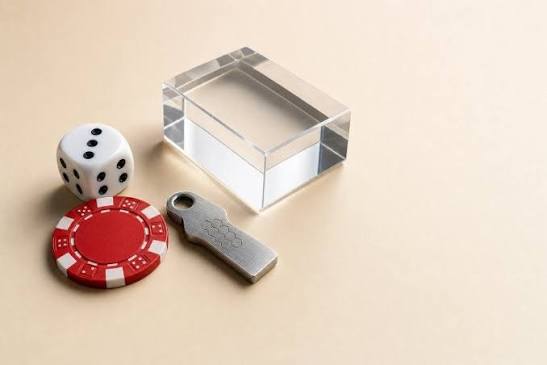
Blockchain-based casino games combine gambling software with technologies used to record digital transactions and, in some cases, verify game mechanics. These platforms may accept cryptocurrency, use smart contracts, or offer cryptographic methods for checking how certain results were generated.
The technology can appear attractive to people interested in digital assets and independently verifiable systems. But it can also introduce unfamiliar risks involving wallet security, transaction fees, price volatility, and the legal status of the gambling service.
Before using such a platform, it is important to understand what blockchain actually does and what it cannot guarantee.
How Blockchain-Based Casino Games Work
A blockchain-based casino game may use a public blockchain for payments, smart contracts for selected operations, or cryptographic methods to make game results verifiable.
Not every platform uses blockchain in the same way. Some process deposits and withdrawals on-chain while running the game itself on conventional servers. Others may use smart contracts to handle particular parts of the game.
This distinction matters. A platform that accepts cryptocurrency is not necessarily a fully on-chain casino, and accepting digital assets does not prove that its games are independently verifiable.
What Is a Cryptocurrency Wallet?
A cryptocurrency wallet is a tool for managing the cryptographic keys used to access digital assets. Depending on the wallet, it may be software on a phone or computer, a browser extension, or a dedicated hardware device.
Wallets do not all work alike, and users should understand how their chosen wallet stores or protects keys. Losing access to the relevant recovery information can make funds difficult or impossible to recover.
Basic precautions include:
- Use a reputable wallet and secure the device on which it operates.
- Never share private keys or recovery phrases with a gambling platform or another person.
- Check the destination address and network before confirming a transfer.
- Be cautious about unfamiliar links, wallet connection requests, and unexpected signature prompts.
- Keep gambling funds separate from money needed for essential expenses.
These precautions reduce some technical risks but do not eliminate the risks associated with gambling itself.
What Provably Fair Games Can and Cannot Show
Some blockchain-related games advertise a provably fair system. Such a system may let users check whether a result was consistent with a published cryptographic method.
For instance, a game might use a commitment to a secret value and reveal that value after a round. A verification tool can then check whether the disclosed data matches the method described by the platform.
However, users should examine what the verification actually covers. It may confirm that a result follows a specified algorithm without proving that the algorithm is appropriate, that the operator has no other unfair practices, or that the platform will honour withdrawals.
A verification feature is only as useful as its design, implementation, and explanation.
Understand Cryptocurrency Price Volatility
When a gambling platform accepts cryptocurrency, the value of the digital asset may change significantly relative to traditional currencies.
A balance displayed in cryptocurrency can therefore have a different value when converted into another currency later. This creates a financial risk separate from the uncertainty of the game itself.
Transaction fees can also vary by network and activity level. A deposit or withdrawal may cost more than expected, and confirmation times can differ.
Before making a transaction, understand the asset, network, applicable fees, exchange-rate implications, and withdrawal conditions.
Check Withdrawal Terms Carefully
A platform may advertise fast digital payments, but actual withdrawal processing depends on its policies, technical setup, identity checks, network conditions, and applicable laws.
Read the terms before depositing. Look for minimum withdrawal amounts, fees, verification requirements, processing times, restrictions on payment methods, and procedures for disputed transactions.
Do not assume that a transaction being recorded on a blockchain means the casino has approved or released your withdrawal. An on-chain transfer and a platform’s internal account decision are not necessarily the same event.
Privacy and Identity Verification
Some users assume that blockchain-based gambling is automatically anonymous. That is not a safe assumption.
Public blockchains can expose transaction histories associated with wallet addresses. If an address becomes linked to a person’s identity, past and future activity may become easier to associate with that individual.
A casino may also collect identifying information to meet legal or operational requirements. Using cryptocurrency does not automatically remove identity checks or data protection obligations.
Check the platform’s privacy policy and consider the information you would be comfortable sharing.
Legal and Regulatory Considerations
The legal status of online gambling and cryptocurrency varies across jurisdictions. Some places permit certain forms of online gambling under licensing rules, while others restrict or prohibit particular activities.
A platform’s technical accessibility does not establish that using it is lawful in your location. Nor does a cryptocurrency payment option prove that the operator is licensed or subject to effective oversight.
Check the relevant regulator’s official information and understand the legal requirements that apply to you before using a gambling service.
Common Warning Signs
Be cautious if a platform:
- Promises guaranteed profits or risk-free gambling.
- Claims that blockchain makes losses impossible.
- Provides vague or unverifiable licensing information.
- Uses unexplained fees or unclear withdrawal conditions.
- Pressures users to deposit more to unlock supposedly guaranteed rewards.
- Requests private keys or recovery phrases.
- Offers no clear process for complaints or account problems.
These warning signs are relevant whether a platform uses cryptocurrency, conventional payments, or a mixture of both.
Keep Gambling Separate From Investing
Cryptocurrency is often discussed as an investment, but using it to gamble is a different activity. Game outcomes remain uncertain, and digital assets may also change in value.
Do not treat casino games as a way to grow an investment portfolio or recover financial losses. If you choose to gamble where it is legal, set a strict entertainment budget and avoid using borrowed money or funds intended for essential needs.
Conclusion
Blockchain-based casino games can offer digital payments and, in some cases, tools for verifying selected game results. However, they also introduce wallet security concerns, transaction fees, cryptocurrency volatility, privacy questions, and legal uncertainty. Players should understand exactly what a platform’s blockchain features verify, read withdrawal terms carefully, and confirm the operator’s licensing status. Technical sophistication is not a substitute for responsible gambling or reliable consumer protection.
FAQs
1. Are blockchain-based casino games always provably fair?
No. Some include verification systems, but others use blockchain only for payments or selected operations.
2. Does cryptocurrency make casino gambling anonymous?
Not necessarily. Public blockchain transactions can be traceable, and platforms may require identity verification.
3. Can blockchain casino withdrawals be guaranteed?
No. Blockchain technology does not guarantee that an operator will approve a withdrawal or comply with its own terms.
4. Are blockchain-based casino games legal everywhere?
No. Gambling and cryptocurrency rules vary by jurisdiction. Check the applicable official requirements.
5. What is the main risk of using a blockchain casino?
There are several, including gambling losses, unreliable operators, wallet theft, cryptocurrency price changes, transaction fees, and limited options for resolving disputes.


One thought on “What Should Players Know About Blockchain-Based Casino Games?”