
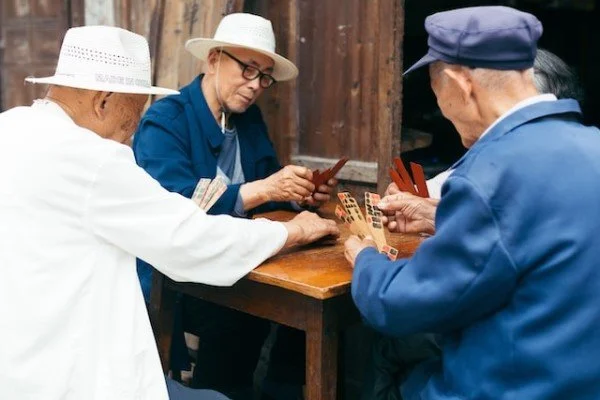
Casinos bring together visitors from different backgrounds, languages, and social traditions. Some guests enjoy lively conversation, while others prefer quiet concentration. Some are comfortable celebrating a win openly, while others express excitement more discreetly.
These differences can shape the social atmosphere inside a casino. Understanding cultural influences helps visitors interact respectfully without assuming that everyone follows the same customs.
Culture and Social Behaviour in Casinos
Culture can influence how people greet strangers, express emotions, communicate disagreement, and respond to formal rules. These habits may carry into a casino visit.
However, culture does not determine an individual’s behaviour. People within the same country or community can have very different personalities and preferences.
It is more useful to approach cultural differences with curiosity than to assume that a person’s nationality predicts how they will act at a gaming table.
Different Attitudes Toward Formality
Some casino settings encourage formal behaviour, particularly in historic venues, premium lounges, and luxury resorts. Guests may be expected to dress neatly, speak politely, and follow established service customs.
Other venues are designed around casual tourism and entertainment. Visitors may wear everyday clothing and interact with staff in a more relaxed manner.
These differences often reflect the casino’s positioning and local hospitality traditions as well as wider cultural expectations. A formal dress code should not automatically be attributed to an entire country or culture.
Communication Styles and Table Conversation
People differ in how directly they speak, how much small talk they enjoy, and how they express disagreement. A brief comment that feels friendly to one person may seem intrusive to another.
At a casino table, respectful communication means listening, allowing others to concentrate, and avoiding personal questions until a conversation naturally develops.
Useful habits include:
- Starting with neutral topics rather than sensitive personal matters.
- Speaking clearly when language differences may be present.
- Avoiding jokes that depend on stereotypes.
- Respecting another person’s choice not to talk.
- Asking staff for clarification rather than arguing over unfamiliar procedures.
These practices help create a welcoming atmosphere without requiring everyone to communicate in the same way.
How People Express Wins and Losses
Cultural norms can influence how people express excitement, disappointment, or frustration in public. Some guests may celebrate enthusiastically, while others prefer a quiet reaction.
Personal temperament, the size of the result, and the social setting also influence these responses. It would be misleading to assume that everyone from a particular country reacts to wins and losses in one specific way.
A useful rule is to celebrate without mocking others and to handle disappointment without disrupting the game.
Traditions Around Hospitality and Service
In some places, hospitality is closely associated with formal greetings, attentive service, and established tipping customs. Elsewhere, service may be more informal or operate under different expectations.
Visitors should recognise that casino staff may follow specific professional procedures regardless of local social customs. A dealer may need to enforce betting deadlines or refuse an action even when a guest expects more flexibility.
Polite communication helps bridge these differences. Thank staff for assistance, ask questions respectfully, and understand that following the rules is part of their role.
Cultural Attitudes Toward Money and Risk
Views about money, entertainment, luck, and financial risk can differ between individuals and communities. Some people see casino gambling as an occasional social activity, while others may avoid it for personal, religious, cultural, or financial reasons.
Visitors should not pressure others to gamble or assume that everyone at a casino shares the same beliefs. Respecting personal boundaries includes accepting when someone declines to participate or chooses to leave.
It is also important not to confuse cultural traditions involving luck with evidence that a betting system can guarantee a result. Casino games involving chance remain uncertain, and cultural beliefs do not change their mathematical probabilities.
Religious and Personal Boundaries
Religious beliefs and personal values can affect whether someone chooses to gamble, drink alcohol, or participate in particular forms of entertainment. Casino visitors may also have preferences concerning food, dress, physical contact, or social conversation.
Do not assume that every person from a particular background follows the same practices. If a situation is unclear, polite questions are more appropriate than speculation.
Casinos may also have rules about alcohol, smoking, and behaviour in shared areas. Visitors should follow the venue’s requirements while respecting other guests’ boundaries.
How International Resorts Bring Traditions Together
Large integrated resorts often welcome visitors from many countries. Their staff may communicate in several languages, offer a range of cuisines, and provide information designed for international travellers.
This environment creates opportunities for cultural exchange, but it can also produce misunderstandings when guests assume that local customs are universal.
Clear signage, multilingual assistance, consistent game procedures, and respectful staff communication can help reduce confusion. Visitors also contribute by learning basic local etiquette before arriving.
Avoiding Cultural Stereotypes
Cultural awareness should never become an excuse for stereotyping. It is not accurate to assume that a person will be generous, reserved, loud, superstitious, or risk-taking simply because of their nationality.
Instead, focus on the behaviour you can observe. If someone wants quiet, give them space. If a dealer explains a rule, follow it. If a custom is unfamiliar, ask respectfully.
This approach is more reliable than trying to memorise broad claims about how different nationalities behave.
Conclusion
Cultural traditions can influence formality, communication, hospitality, and the ways people express emotions inside casinos. However, individual preferences and venue rules matter just as much as broader cultural influences. Visitors can avoid misunderstandings by remaining open-minded, respecting personal boundaries, and following local procedures. The most effective form of casino etiquette is not knowing every cultural custom in advance, but being willing to listen, learn, and treat others with consideration.
FAQs
1. Does culture affect how people behave in casinos?
It can influence communication styles, formality, and social expectations, but individuals vary widely within every culture.
2. Are casino etiquette rules universal?
Some principles, such as respecting other players and following dealer instructions, are broadly useful. Specific customs and procedures differ between venues.
3. Should visitors learn local customs before entering a casino?
Yes. Learning about dress codes, tipping practices, local laws, and basic etiquette can help visitors avoid misunderstandings.
4. Can cultural beliefs change the odds of casino games?
No. Cultural traditions may influence how people interpret luck, but they do not change the mathematical probabilities of a game.
5. How can I avoid offending other casino visitors?
Use respectful language, avoid stereotypes and intrusive questions, give people personal space, and follow the casino’s rules.

One thought on “How Cultural Traditions Influence Behaviour Inside Casinos?”