
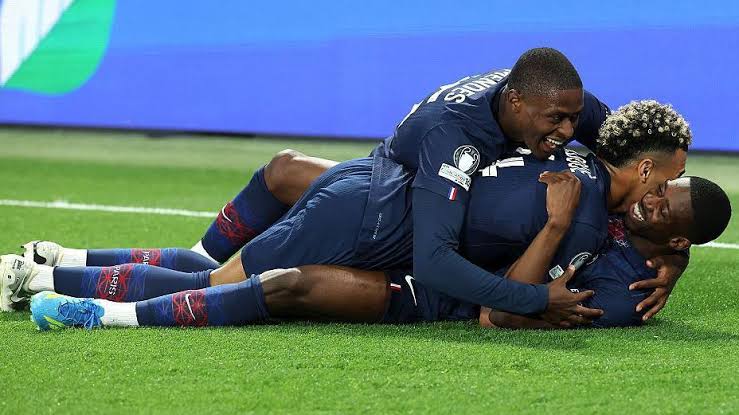
Casino games can produce strong emotions. A win may bring excitement, while a loss can lead to disappointment or frustration. In a shared gaming environment, how people respond to these feelings affects not only their own experience but also the comfort of everyone around them.
Good casino etiquette is not about hiding every emotion. It is about expressing yourself without insulting others, interrupting the game, or allowing a result to push you into decisions you would not otherwise make.
Celebrate Wins Without Drawing Unwanted Attention
Winning can feel exciting, especially when a result is unexpected. A smile, a quiet celebration, or a polite acknowledgement is generally appropriate.
However, loud shouting, mocking other players, or repeatedly boasting about a payout can make the table uncomfortable. Some visitors prefer to keep their reactions private, and others may be disappointed by their own results.
A considerate response recognises your good fortune without making someone else’s experience worse.
Avoid Gloating or Comparing Results
Not everyone at a casino has the same budget, goals, or attitude toward gambling. Comparing winnings can create unnecessary competition and encourage people to place bets they cannot comfortably afford.
Avoid asking others why they did not bet more or telling them they should have copied your decision. A favourable result does not prove that a particular choice was always correct.
Casino games involve uncertainty, and a single outcome does not guarantee that the same approach will produce a similar result in the future.
Accept Losses Without Blaming Others
Losing can be frustrating, but it is important not to direct that frustration toward dealers or other players. A dealer’s role is to administer the game according to its rules, not to determine who wins.
At games where players make individual decisions, other participants may choose options that differ from yours. Avoid blaming them for a result or arguing that they caused your loss unless there is a genuine procedural concern that staff should review.
If you believe a rule was applied incorrectly, explain the issue calmly and ask the dealer or floor supervisor to clarify it.
Recognise When Frustration Is Building
A difficult moment can become more stressful when a player continues gambling while angry or upset. Signs that it may be time to pause include:
- Feeling compelled to recover money immediately.
- Increasing bets because previous rounds were unsuccessful.
- Becoming impatient with other players or staff.
- Ignoring a budget you set before arriving.
- Finding it difficult to stop even when you no longer enjoy the experience.
These are useful warning signs, not a reason for embarrassment. Taking a break is a sensible way to interrupt an unhelpful pattern before it escalates.
Do Not Chase Losses
Chasing losses means continuing to gamble or increasing wagers in an attempt to recover money that has already been lost. This can lead to spending more than intended, particularly when decisions are driven by frustration rather than a clear limit.
A previous loss does not make a future win more likely. Each game has its own rules and probabilities, and no betting pattern can guarantee that lost money will be recovered.
Set a spending limit before gambling and treat that amount as the cost of entertainment. If you reach it, stop rather than treating the limit as something to negotiate with yourself.
Keep Your Reactions From Interrupting Play
A casino table is a shared space. Slamming chips, striking the table, arguing loudly, or interrupting the dealer can disrupt the game and make others uncomfortable.
If a result upsets you, take a breath before speaking. You can ask for clarification if necessary, but avoid confronting another player in the heat of the moment.
If you need time to calm down, step away from the table when the game’s procedures allow it. You do not need to explain your emotions to everyone nearby.
Support Other Players Without Pressuring Them
When someone else wins, a simple congratulations may be welcome. When someone loses, avoid jokes, criticism, or unsolicited advice about what they should have done.
It is also important not to encourage a distressed person to keep playing. Phrases such as “You can win it back” may increase pressure and reinforce risky decisions.
A more considerate response is to respect their choice to continue, pause, or leave.
Use Practical Limits to Stay in Control
Responsible gambling begins before the first bet. Decide how much money and time you are willing to spend, and do not use money intended for essential expenses.
Other helpful boundaries include:
- Avoid gambling when intoxicated or emotionally overwhelmed.
- Do not borrow money to continue playing.
- Take regular breaks away from the gaming floor.
- Leave when the planned session ends, regardless of whether you are ahead or behind.
- Seek support if gambling starts affecting finances, relationships, work, or wellbeing.
If stopping feels difficult, consider using available self-exclusion or gambling-blocking tools and contacting a recognised support service in your country.
Conclusion
Handling wins and losses respectfully means celebrating modestly, accepting setbacks without blaming others, and recognising when emotions are influencing decisions. Avoid chasing losses, respect the dealer’s role, and give other players the same consideration you would want yourself. A clear spending limit and the willingness to take a break are more valuable than any attempt to control an unpredictable outcome. Gambling should remain optional entertainment, never a financial obligation or a way to recover money under pressure.
FAQs
1. Is it rude to celebrate a casino win?
No. A brief, positive reaction is generally fine. Problems arise when celebrations become disruptive, insulting, or directed at other players.
2. What should I do if I lose more than expected?
Stop gambling, avoid trying to recover the money through additional bets, and reassess your spending limits away from the table.
3. Should I blame another player for a bad result?
No. Avoid personal criticism. If you believe a rule was applied incorrectly, ask the dealer or supervisor to review the situation.
4. Does losing several rounds mean a win is due?
No. Previous losses do not guarantee a future win. The odds and rules of the game determine the chances of particular outcomes.
5. When should I take a break from gambling?
Take a break whenever you feel upset, pressured to recover losses, unable to follow your limits, or no longer enjoy the activity.

One thought on “How to Handle Wins and Losses Without Disrupting Other Players?”