
Walking up to a casino table for the first time can feel intimidating. Other players may seem to know exactly where to stand, when to place their bets, and how to communicate with the dealer. Meanwhile, a beginner might be unsure whether to ask questions, touch the cards, or wait for a particular signal.
The good news is that casino table etiquette is mostly about courtesy, patience, and following the rules of the game. You do not need to know every custom before arriving. Learning a few basics can help you feel more comfortable and reduce the chance of disrupting the game.
Observe the Game Before Joining
Before sitting down or placing a bet, spend a few minutes watching the table. Notice the minimum and maximum betting limits, the pace of play, and how the dealer communicates with participants.
Different games follow different procedures. Blackjack has decisions such as hitting or standing, roulette involves betting before the wheel spins, and poker may require players to act in a particular order.
Check the Table Limits
Casinos usually display a minimum and maximum bet for table games. These limits tell you how much you may wager on an individual betting opportunity, subject to the game’s rules.
Always check them before exchanging cash or joining a game. A table’s minimum may be higher than you expect, particularly during busy periods or in premium areas.
Set a personal spending limit as well. The table minimum is a venue rule, not a recommendation for how much you should spend. Only gamble with money you can afford to lose, and do not increase your budget because other players appear to be betting more.
Understand How to Buy Chips
At many table games, players exchange cash for casino chips through the dealer or another process specified by the venue. Procedures vary, so observe the dealer’s instructions before placing money on the table.
When buying chips, wait for the appropriate moment and avoid interrupting a hand or active betting round. Some casinos ask players to place cash in a designated area rather than handing it directly to the dealer.
Keep your chips organised and avoid moving them into betting positions before you understand the rules. If you are unsure, politely ask the dealer how the process works.
Follow the Dealer’s Instructions
Dealers manage the game, explain procedures, and help maintain an orderly table. Listen when they announce the betting period, explain an action, or ask a player to wait.
At games such as blackjack, certain actions may need to be communicated using hand signals as well as words. This helps make decisions clear and reduces misunderstandings.
If you do not understand a rule, ask a short question before making a decision. Dealers can usually explain basic procedures, although they may not be able to advise you on what bet to make.
Know When to Place Your Bets
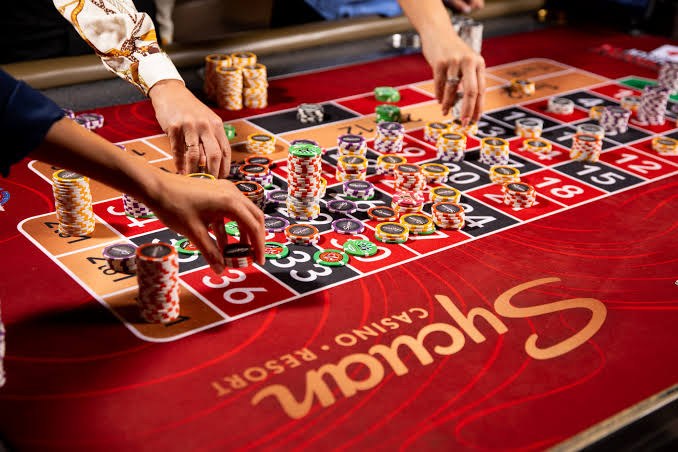
Timing is an important part of casino etiquette. In roulette, bets generally must be placed before the dealer closes betting. In blackjack, players make decisions during their turn. In poker, acting out of turn can affect other players and the game.
Avoid placing chips after betting has closed, changing a bet once a result is being determined, or reaching across another player’s betting area.
If you miss the betting window, wait for the next round. Trying to rush the dealer or arguing about a closed bet rarely improves the situation.
Keep Your Hands and Chips in the Right Places
Each game has its own rules about handling cards, chips, and betting areas. At some tables, touching dealt cards is prohibited or restricted. At others, players must leave their bets in place once the round begins.
Do not touch another player’s chips or cards, and avoid reaching across the dealer’s workspace. If you accidentally move a chip or are unsure whether an action is allowed, tell the dealer immediately.
Being transparent about mistakes helps the dealer resolve issues fairly.
Respect Other Players
Casino tables bring together people with different levels of experience. Some players may be highly familiar with the game, while others are learning as they go.
Good etiquette means avoiding unnecessary criticism, giving people room to make decisions, and not pressuring anyone to bet more. Do not blame another player for a loss or insist that they follow your preferred strategy.
A courteous attitude makes the table more comfortable for everyone, regardless of the outcome.
Manage Your Reactions
Wins and losses can produce strong emotions, but dramatic reactions can make other players uncomfortable. Celebrate modestly, avoid insulting anyone, and do not take frustration out on the dealer.
If you become angry, confused, or tempted to chase losses, step away from the table. You can return later if you feel comfortable, but you are never required to keep playing.
Ask Questions Without Holding Up the Game
Beginners should feel free to ask questions, but timing matters. If a hand is in progress, wait until the dealer indicates that it is appropriate to speak, unless you need immediate clarification to make a decision.
You can also ask staff whether there are beginner-friendly tables, demonstrations, or introductory lessons available. These can be useful ways to learn without feeling rushed.
Conclusion
Casino table etiquette is built around patience, clear communication, respect, and following the procedures of the game. Beginners should observe before joining, check table limits, listen to the dealer, and avoid touching other players’ chips or interfering with active rounds. Most importantly, remember that gambling is entertainment, not a way to earn dependable income. Set a spending limit, stay within it, and step away whenever the experience stops being enjoyable.
FAQs
1. Is it acceptable to ask a casino dealer questions?
Yes. Dealers can often explain basic rules and procedures. Try to ask at an appropriate moment so you do not disrupt an active round.
2. Should beginners watch a table before playing?
Yes. Observing a few rounds can help you understand the game’s pace, betting limits, and common procedures.
3. Can I touch my cards at a casino table?
It depends on the game. Some games restrict card handling, so follow the dealer’s instructions and posted rules.
4. What should I do if I make a mistake?
Tell the dealer promptly and explain what happened. Do not try to correct a disputed bet or move chips without permission.
5. Is it rude to leave a casino table?
No. You can generally leave when appropriate under the game’s procedures. Avoid walking away in the middle of an action that requires your decision.


One thought on “What Casino Table Etiquette Should Beginners Know Before Playing?”