

A visit to a casino today can involve much more than playing a game. Depending on the destination, visitors may encounter large hotels, live performances, restaurants, digital payment systems, electronic gaming machines, and extensive hospitality services. A century ago, the experience was generally more limited, although casinos differed considerably between countries and venues.
The transformation reflects changes in technology, architecture, tourism, social expectations, and gambling regulation. Casino businesses have adapted to new forms of entertainment while responding to changing laws and growing expectations around safety and consumer protection.
Looking at the last hundred years reveals how the casino experience evolved from more traditional gaming environments into a diverse collection of physical and digital services.
Casino Culture in the Early Twentieth Century
At the beginning of the twentieth century, gambling venues varied significantly by location. Some European casinos were associated with formal social occasions and resort tourism, while other gaming venues operated on a smaller scale.
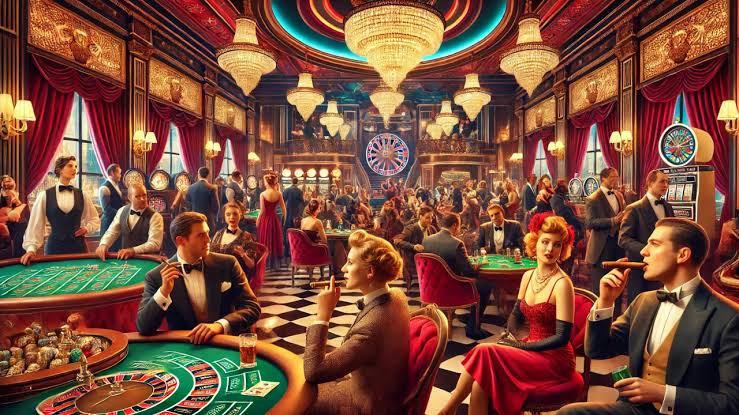
The experience often centred on table games, social interaction, and the atmosphere of the establishment. Dress expectations and social customs could be more formal in certain venues than they are in many casinos today.
Legal restrictions also influenced where people could gamble and which games were available. In some places, casinos were permitted under specific rules, while other jurisdictions imposed strict prohibitions or limitations.
These differences show why there was never one universal casino experience.
The Growth of Las Vegas
Las Vegas became an influential casino destination during the twentieth century. Nevada’s legalisation of wide-ranging casino gambling in 1931 helped establish the legal environment for the city’s subsequent development.
Over time, casino properties increasingly combined gaming with hotels, restaurants, entertainment, and other visitor services. This changed the purpose of a casino visit. Customers could plan an entire holiday around a resort rather than visit only to play games.
Large properties also changed how operators managed customer service, staffing, marketing, and facilities. The visitor experience became part of a broader competition between resorts.
From Traditional Tables to Electronic Gaming
Table games such as roulette, blackjack, and baccarat remain part of casino culture, but electronic gaming machines transformed the appearance and operation of many gaming floors.
Mechanical machines eventually gave way to electronic and digital systems capable of supporting more varied game designs, graphics, sounds, and features. These changes created new ways for operators to organise gaming areas and for customers to interact with games.
Electronic systems also increased the need for technical testing, maintenance, security, and regulatory standards.
The technology changed the presentation of games, but it did not remove the underlying risks associated with wagering money on uncertain outcomes.
The Importance of Design and Atmosphere
Casino interiors have changed considerably over the past century. Some traditional venues emphasised formal architecture and a relatively restrained atmosphere. Many modern resorts use distinctive themes, lighting, large open spaces, and carefully planned routes between facilities.
Design can help a property establish a recognisable identity. Restaurants, shopping areas, theatres, and hotel lobbies can create different experiences within the same development.
Practical considerations remain important. Layouts must support accessibility, emergency procedures, security, and effective staff operations. Good design is not just decorative; it also influences how safely and comfortably people move through a property.
Entertainment Becomes a Major Attraction
Live entertainment has become an important feature of many casino destinations. Depending on the location, resorts may host concerts, comedy performances, sporting events, theatre productions, and special exhibitions.
This helps attract visitors with different interests. Some may come primarily for a performance or conference and spend time elsewhere in the resort.
The strategy also changes the economics of a casino property. Operators must manage ticketing, event scheduling, production costs, crowd movement, and partnerships with performers or event organisers.
Entertainment is not equally prominent in every casino, but its role in major resort destinations illustrates the industry’s broader shift toward integrated leisure experiences.
Hospitality and Customer Service
Modern casino resorts often compete on service quality as well as gaming facilities. Accommodation, dining, concierge services, accessibility, and complaint handling can all affect how visitors evaluate a property.
Larger operations need coordinated standards across departments. A guest may interact with hotel staff, restaurant workers, security teams, and customer-support personnel during a single visit.
Customer service should also include clear information about fees, promotions, terms, and gambling risks. Reliable service means helping customers understand their choices rather than pressuring them to spend more.
Digital Payments and Customer Technology
Digital systems have changed how many casinos manage reservations, transactions, loyalty programmes, and customer information. Some properties offer digital tools for booking rooms, accessing event details, or managing other parts of the visit.
The availability of payment methods depends on the jurisdiction, operator, and applicable financial rules. Casinos must follow relevant requirements for customer identification, transaction monitoring, data protection, and financial reporting.
Convenience brings responsibilities. Operators need secure systems and clear procedures for handling account problems, disputed transactions, and personal information.
Online and Mobile Gambling
The internet introduced a separate type of casino experience. Where online gambling is legally permitted, customers can access games through websites and mobile applications without visiting a physical venue.
Digital services provide a different environment from a land-based casino. Customers interact with screens, account systems, and online support rather than physical tables and staff in a gaming room.
This has created new questions about identity verification, cybersecurity, advertising, age restrictions, and gambling-related harm. A physical casino licence does not necessarily authorise online services, and laws differ across jurisdictions.
Online platforms have expanded the industry’s delivery methods without eliminating the appeal of physical resorts.
Greater Attention to Responsible Gambling
Over the last century, public and regulatory discussions about gambling have increasingly included consumer protection and gambling-related harm.
Depending on the jurisdiction, casinos may need to provide age checks, self-exclusion options, customer information, complaint procedures, and staff training. Some markets also impose restrictions on advertising and promotional incentives.
The exact requirements differ, but the underlying challenge is similar: operators must manage a commercial service while meeting legal responsibilities to customers.
Modern casino experience should therefore be evaluated through more than entertainment and design. The quality of safeguards, transparency, and support also matters.
Conclusion
The casino experience has changed through the growth of resort destinations, electronic gaming, large-scale entertainment, improved hospitality systems, and digital services. What was once often a visit centred on a gaming room can now be part of a wider holiday or entertainment experience.
The transformation has also increased the complexity of casino operations. Technology, customer service, data security, and responsible gambling requirements all play important roles in the modern industry.
Despite these changes, the core feature remains the same: casino games involve uncertainty, and wagering can lead to losses. A modern experience should combine clear information and responsible safeguards with any entertainment it offers.
FAQs
How were casinos different a century ago?
Many venues placed greater emphasis on traditional table games and social settings. The exact experience depended on the country, legal framework, and type of establishment.
When did electronic gaming machines become common?
Electronic gaming developed over the twentieth century, gradually expanding the range of games and changing how casino floors operated.
How has online gambling changed the casino experience?
It allows access to certain games remotely where permitted by law. It also introduces different risks and requirements involving accounts, payments, identity checks, and digital security.
What is most important in the modern casino experience?
The answer varies by visitor and destination, but service quality, accessibility, transparent terms, security, and responsible gambling safeguards are important considerations.


One thought on “How the Casino Experience Has Changed Over the Last Century?”